


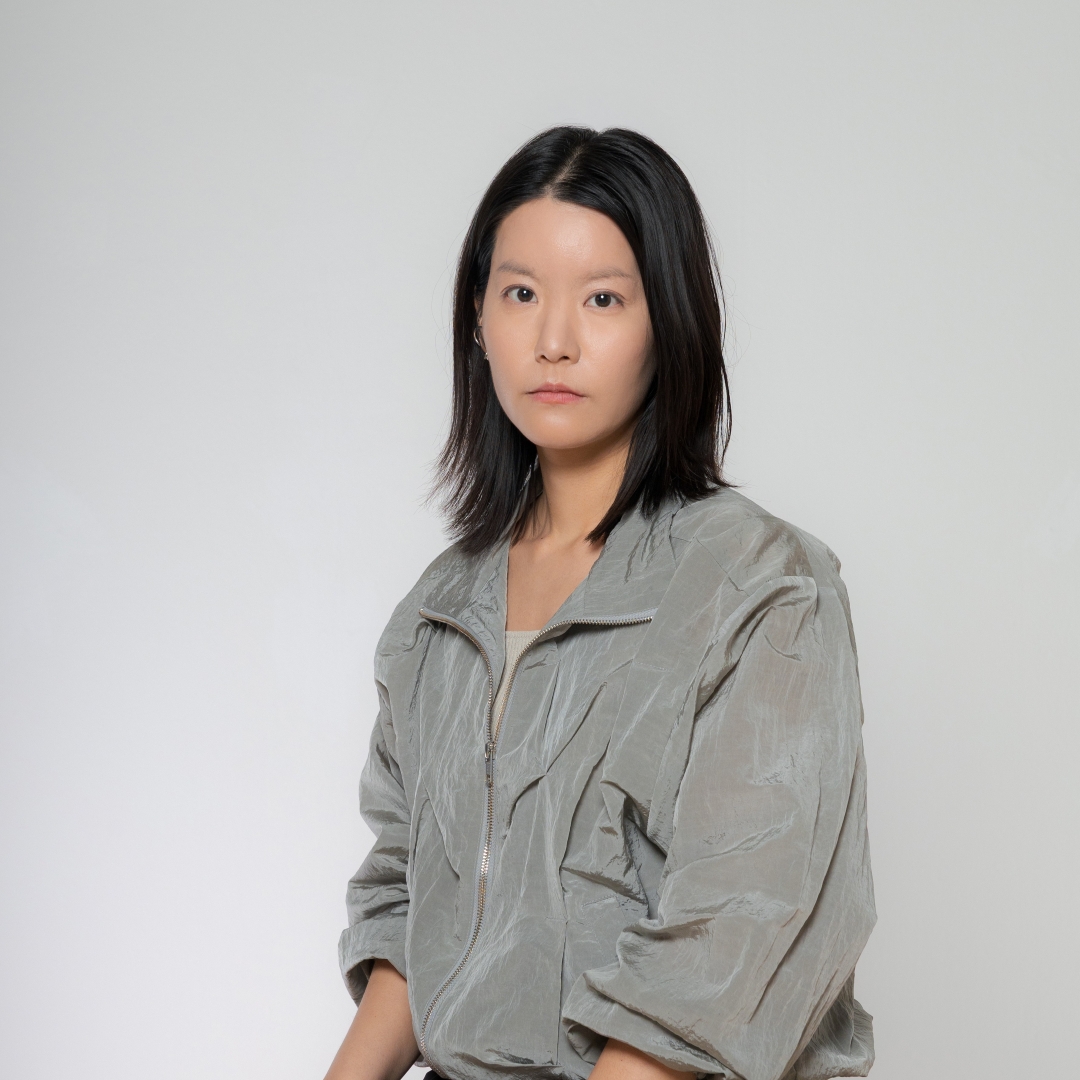
Haena Yoo
Haena Yoo explores the intersections of the body, capital, consumerism, and spirituality. Integrating organic and immaterial elements such as scent, fermentation, and sound, she conceives installations in which materials and structures constantly change. Across the tension between rational systems and entropy, Yoo traces how unpredictable forces fracture existing orders, lending sculpture a plastic temporality shaped by processes of exhaustion and mutation. The vulnerability of a form that sustains itself yet disintegrates becomes a metaphor for the body as defined within the flow of capital. Her recent work views wellness through the lens of circularity, reconstructing the structures and the contradictions embedded within them, by which individual failure is reduced to capital.
Haena Yoo explores the intersections of the body, capital, consumerism, and spirituality. Integrating organic and immaterial elements such as scent, fermentation, and sound, she conceives installations in which materials and structures constantly change. Across the tension between rational systems and entropy, Yoo traces how unpredictable forces fracture existing orders, lending sculpture a plastic temporality shaped by processes of exhaustion and mutation. The vulnerability of a form that sustains itself yet disintegrates becomes a metaphor for the body as defined within the flow of capital. Her recent work views wellness through the lens of circularity, reconstructing the structures and the contradictions embedded within them, by which individual failure is reduced to capital.
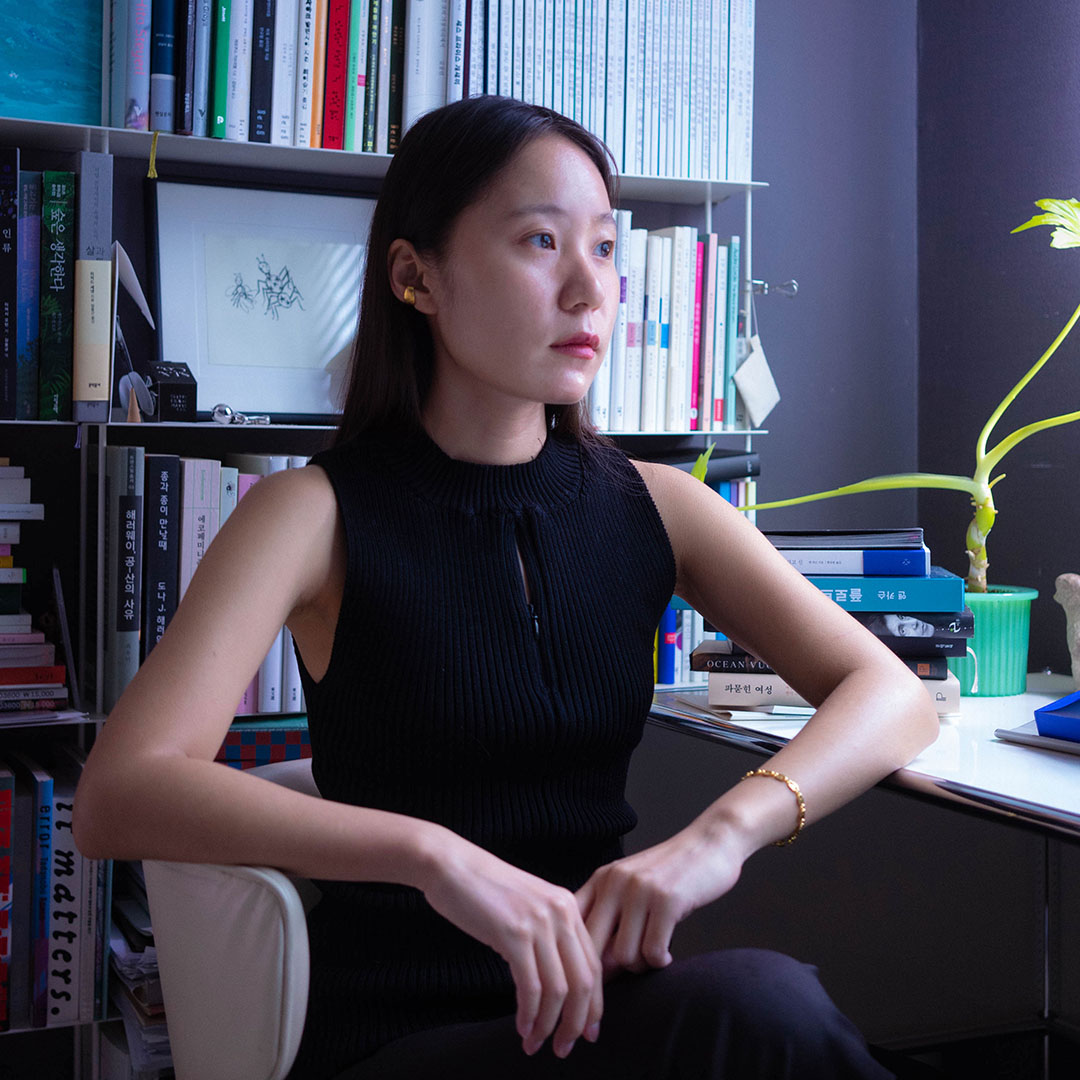
Sangyeop Rhii
Sangyeop Rhii is an independent curator based in Seoul whose practice connects narratives and images with places that resonate with them. Her interests lie on the fundamental conditions that shape life, the ways in which experiences and emotions move through our being, and how we affect and are affected by one another. Her curatorial projects included Tiny Tears Symposium 2026: Women’s Language and Tears (Emerson Chapel, Ewha Woman’s University, Seoul, 2026), The Orange (LDK, Seoul, 2025), Italic Time (Namsan Library, Seoul, 2024), Heartdeep (Bomboniere New York, Seoul, 2023), Living Relation (Namsan, Seoul, 2021-2022), and The Decoratives (Can Foundation Old House, Seoul, 2020).
Sangyeop Rhii is an independent curator based in Seoul whose practice connects narratives and images with places that resonate with them. Her interests lie on the fundamental conditions that shape life, the ways in which experiences and emotions move through our being, and how we affect and are affected by one another. Her curatorial projects included Tiny Tears Symposium 2026: Women’s Language and Tears (Emerson Chapel, Ewha Woman’s University, Seoul, 2026), The Orange (LDK, Seoul, 2025), Italic Time (Namsan Library, Seoul, 2024), Heartdeep (Bomboniere New York, Seoul, 2023), Living Relation (Namsan, Seoul, 2021-2022), and The Decoratives (Can Foundation Old House, Seoul, 2020).
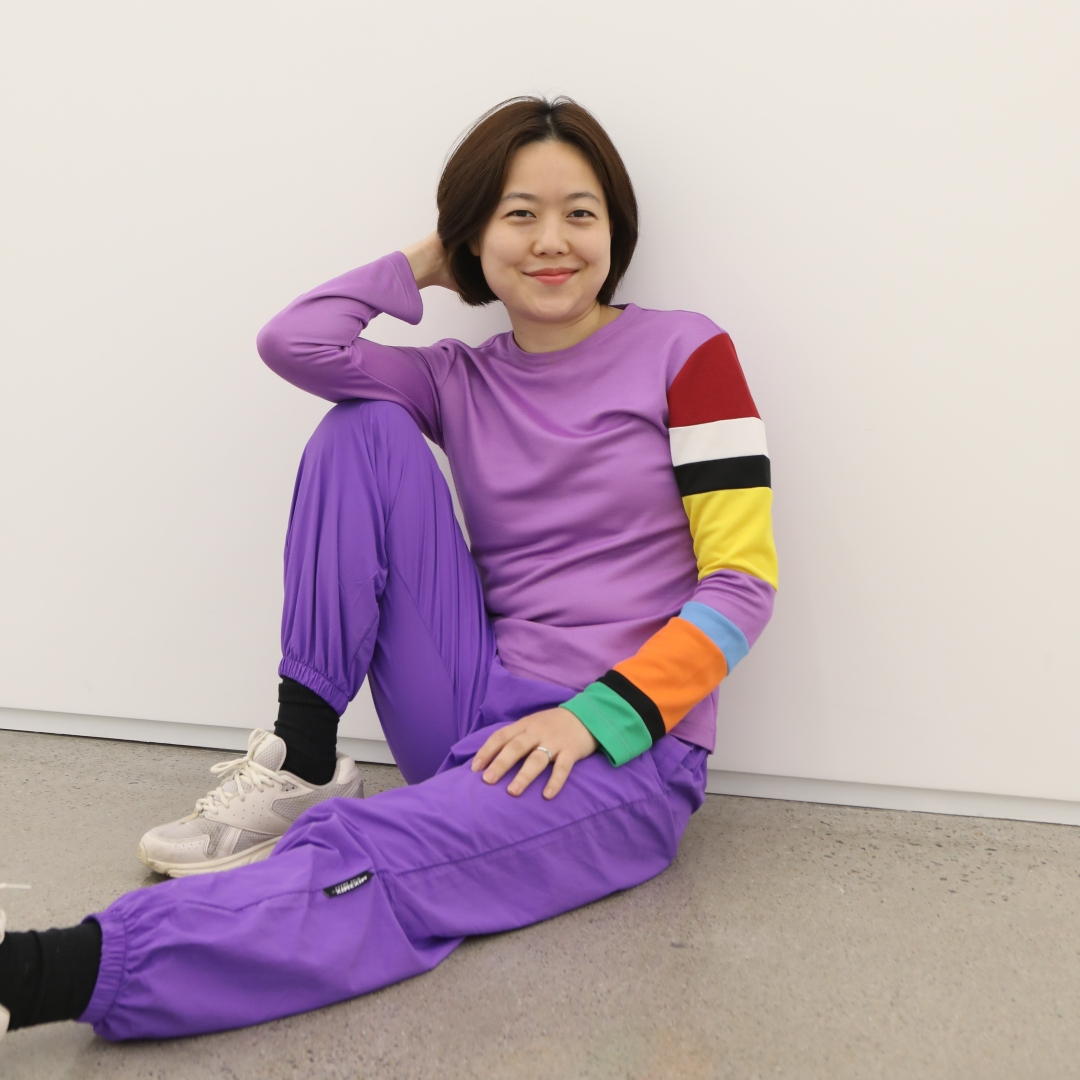
Ikjung Cho
Based on the various emotional conflicts and rifts experienced by individuals as they grow, Ikjung Cho develops narratives through diverse modes of expression, including performances that incorporate bodily movement into stories, video works, drawings, and installations. Cho has participated in various exhibitions at institutions including DOOSAN Art Center Doosan gallery (2019, Seoul, KR), Seoul Museum of Art (2018, Seoul, KR), Queens Museum (2015, New York, US), Total Museum (2010, Seoul, KR) and has performed at various spaces including Seo-Seoul Museum of Art (2026, Seoul, KR), ONE AND J. Gallery (2018, Seoul, KR), ARARIO MUSEUM in SPACE (2017, Seoul, KR). Since 2021, she has been co-managing the performance space 'Windmill'. She is a recipient of the 17th DOOSAN Yonkang Arts Awards for Visual Arts in 2026.
Based on the various emotional conflicts and rifts experienced by individuals as they grow, Ikjung Cho develops narratives through diverse modes of expression, including performances that incorporate bodily movement into stories, video works, drawings, and installations. Cho has participated in various exhibitions at institutions including DOOSAN Art Center Doosan gallery (2019, Seoul, KR), Seoul Museum of Art (2018, Seoul, KR), Queens Museum (2015, New York, US), Total Museum (2010, Seoul, KR) and has performed at various spaces including Seo-Seoul Museum of Art (2026, Seoul, KR), ONE AND J. Gallery (2018, Seoul, KR), ARARIO MUSEUM in SPACE (2017, Seoul, KR). Since 2021, she has been co-managing the performance space 'Windmill'. She is a recipient of the 17th DOOSAN Yonkang Arts Awards for Visual Arts in 2026.
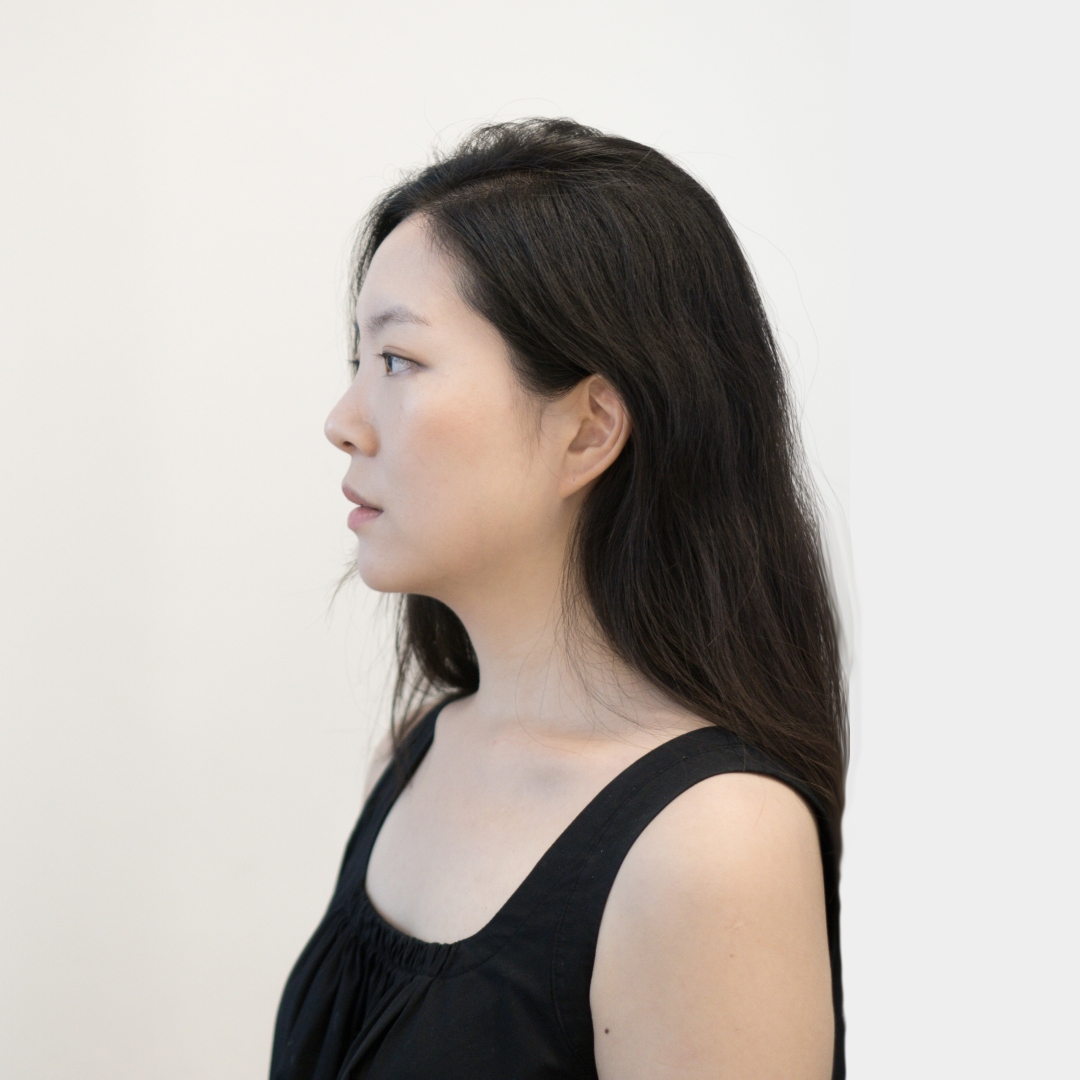
Han Sang A
Han Sang A works primarily with fabric, meok, thread, and cotton stuffing to explore the boundaries of the body and how they shift through relationships. For Han, the body is neither complete nor fixed, but a vessel in flux, continually constructing and transforming its boundaries through encounters with others and the surrounding environment. Rooted in her experience of pregnancy and childbirth, particularly the fluid transition between the body’s interior and exterior, Han’s practice has evolved through recurring motifs such as flowers, tendrils, pagodas, and thresholds into structures that move between body and space. Through the processes of drawing with meok, cutting, stitching, and giving volume to fabric, forms expand beyond fixed representation and take on a bodily presence of their own. Drawing on the artist’s deeply personal experiences, Han’s works evoke universal emotions such as love, devotion, care, and concern, inviting viewers to engage with the works through multilayered forms of empathy.
Han Sang A works primarily with fabric, meok, thread, and cotton stuffing to explore the boundaries of the body and how they shift through relationships. For Han, the body is neither complete nor fixed, but a vessel in flux, continually constructing and transforming its boundaries through encounters with others and the surrounding environment. Rooted in her experience of pregnancy and childbirth, particularly the fluid transition between the body’s interior and exterior, Han’s practice has evolved through recurring motifs such as flowers, tendrils, pagodas, and thresholds into structures that move between body and space. Through the processes of drawing with meok, cutting, stitching, and giving volume to fabric, forms expand beyond fixed representation and take on a bodily presence of their own. Drawing on the artist’s deeply personal experiences, Han’s works evoke universal emotions such as love, devotion, care, and concern, inviting viewers to engage with the works through multilayered forms of empathy.