


DCW 2025 Public:day(s)
2026.3.19.—4.4.
DOOSAN Gallery
DOOSAN Curator Workshop
Co-curated by Soojeong Park, Jihee Jun, Han Munhee(amo)
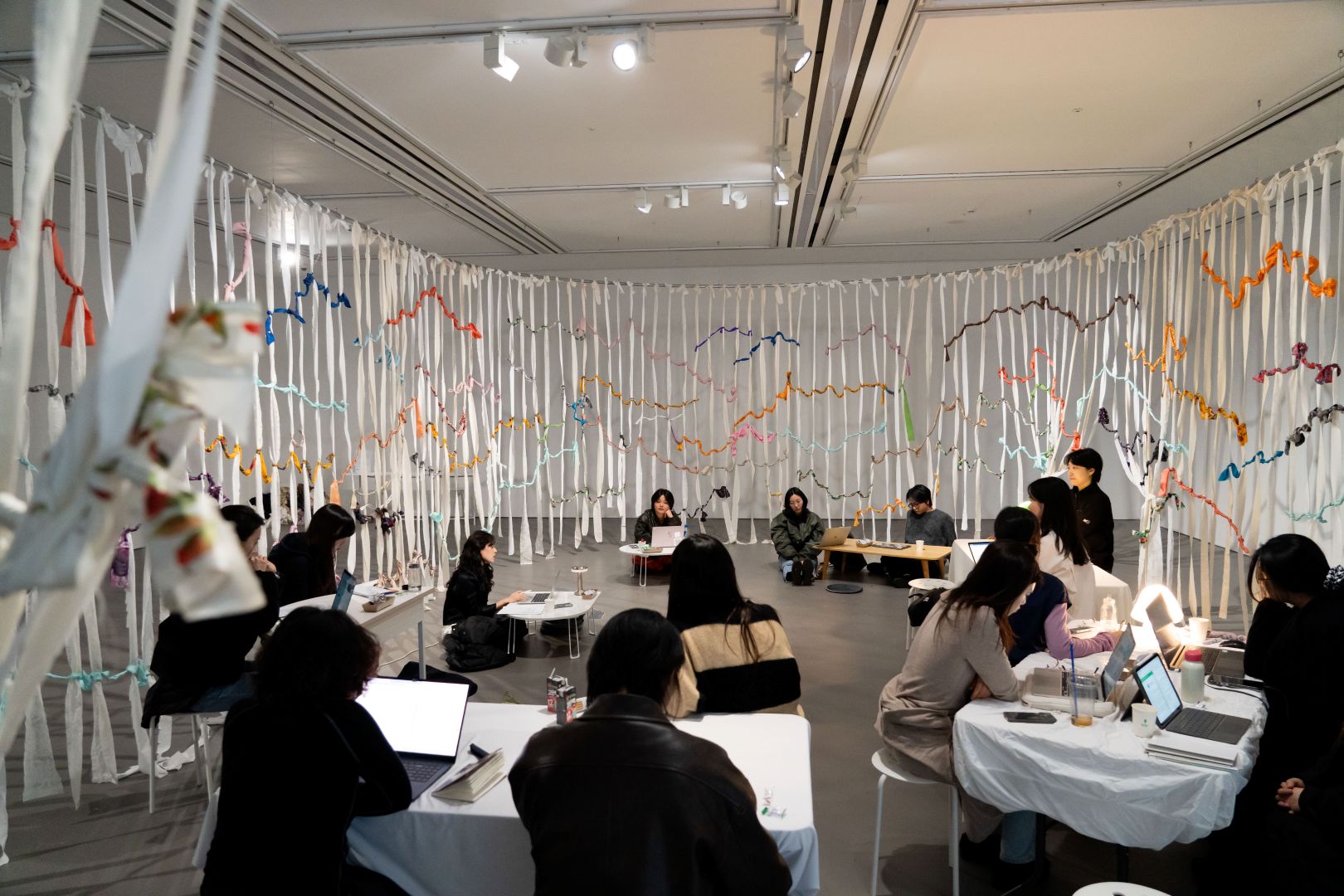
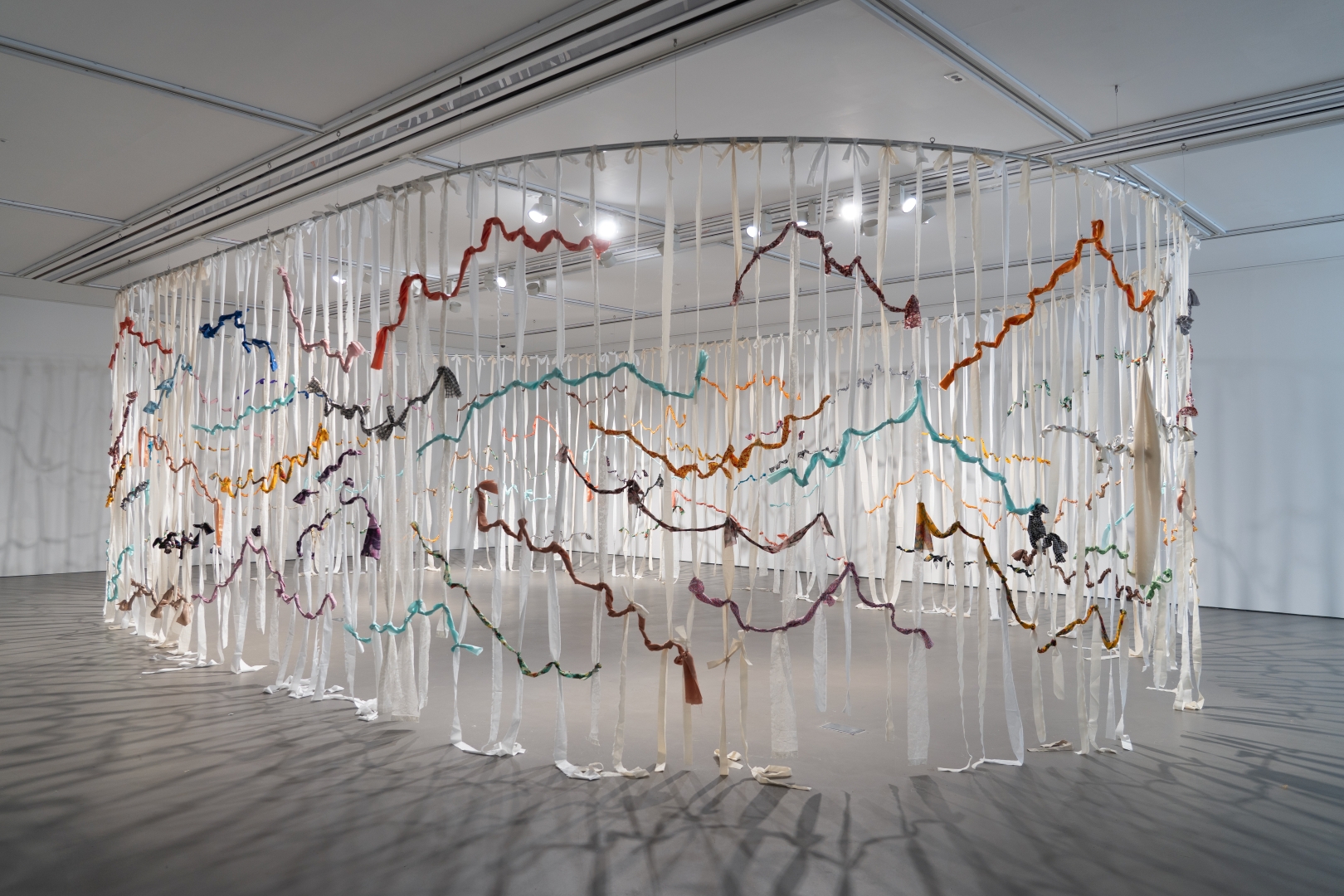 Isola Tong, Tying the Knots, documentation image, 2026, Photo by Kangsun Lee
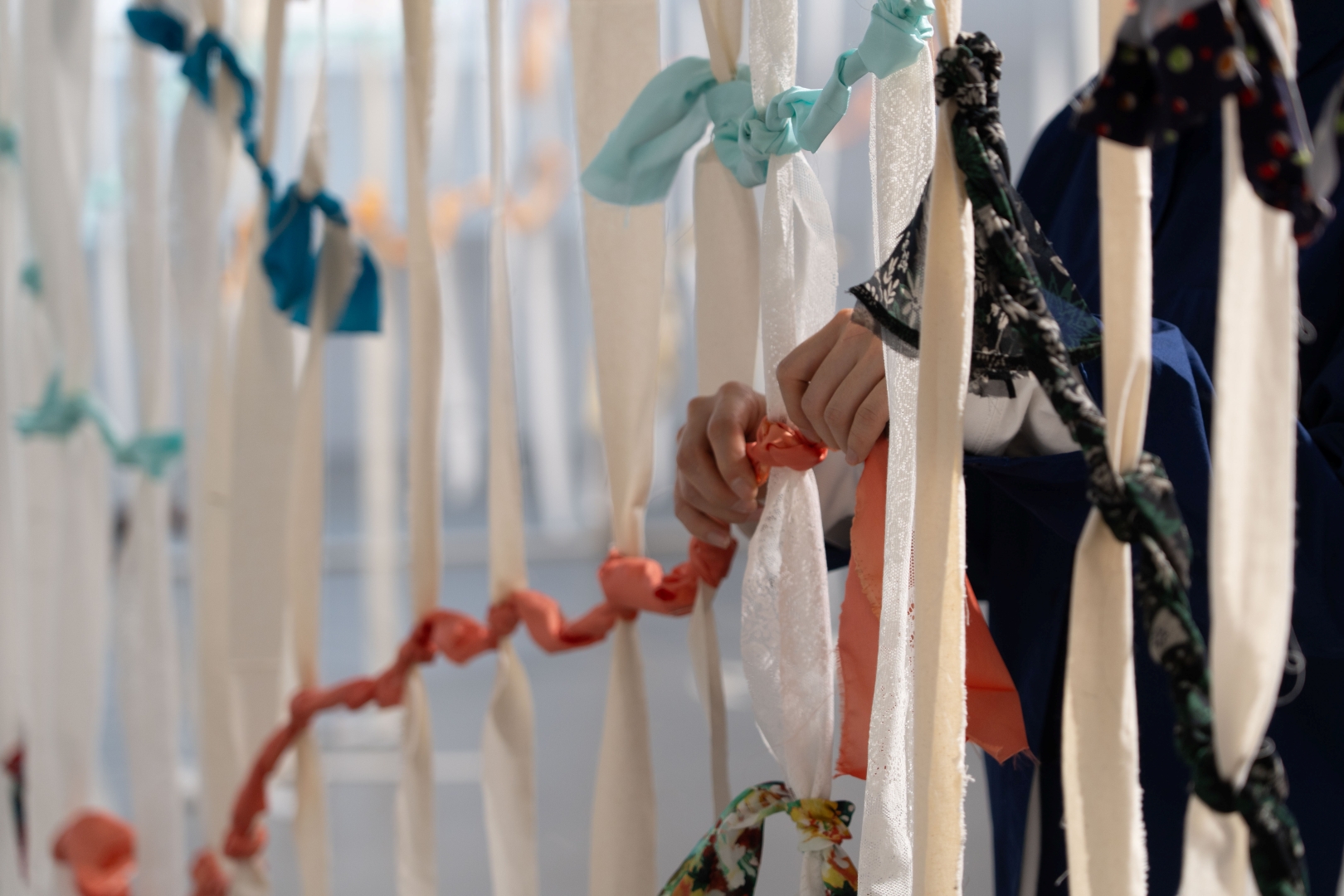 Isola Tong, Tying the Knots, documentation image, 2026, Photo by Kangsun Lee
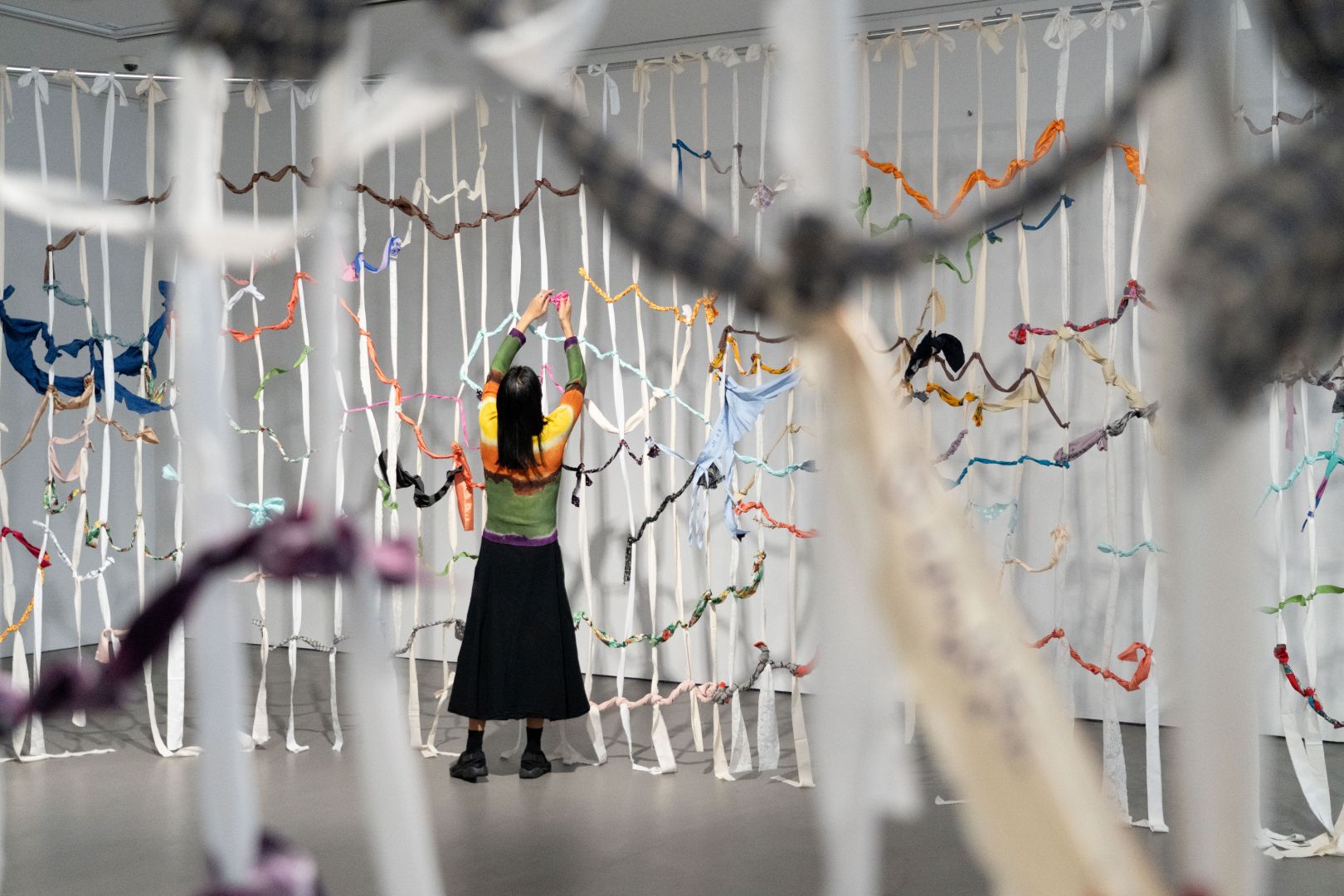 Isola Tong, Tying the Knots, documentation image, 2026, Photo by Kangsun Lee
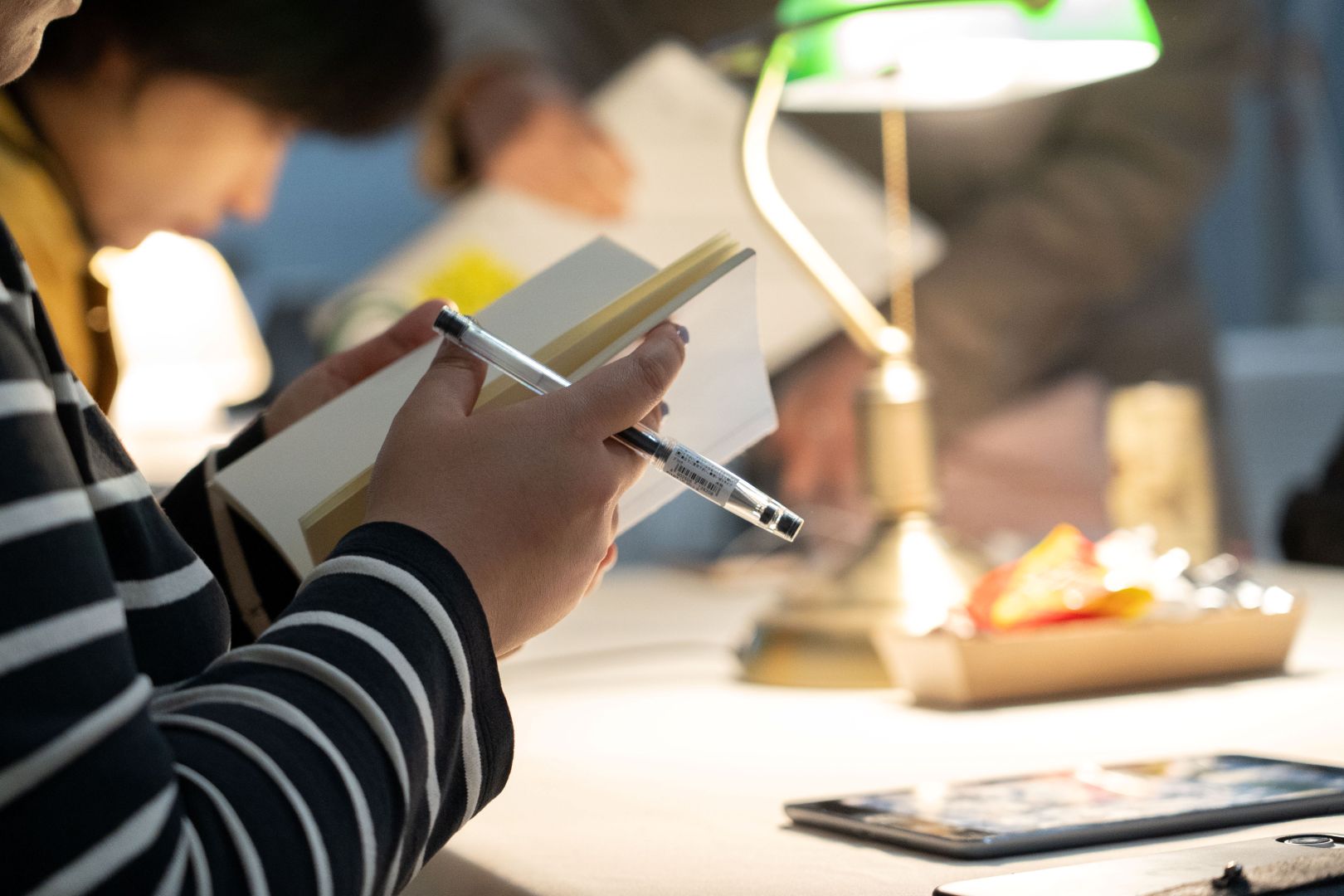 Dahm Ahn, Tag-Writing in Relay, documentation image, 2026, Photo by Kangsun Lee
 Dahm Ahn, Tag-Writing in Relay, documentation image, 2026, Photo by Kangsun Lee
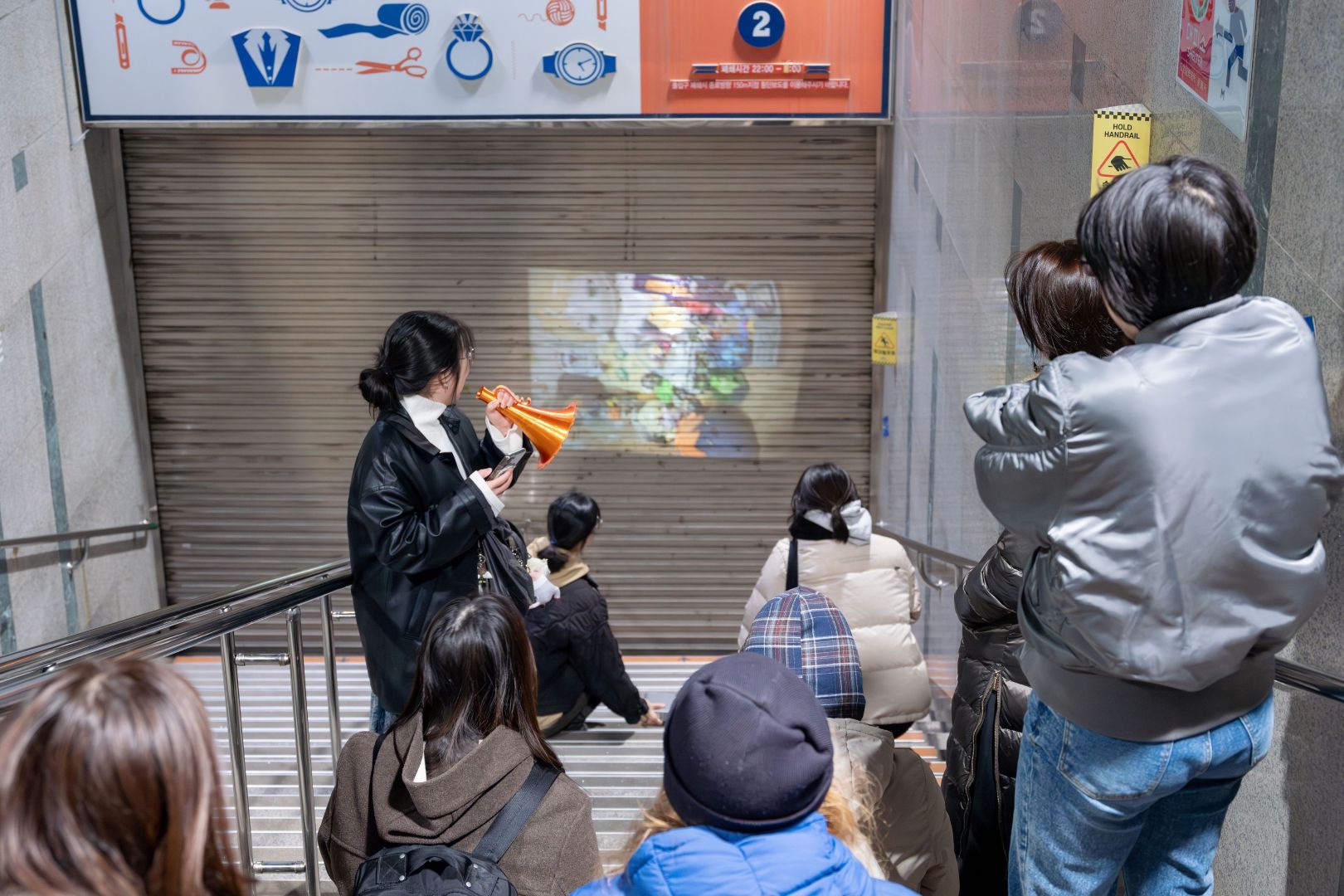 Jo Yul, Moving Out, documentation image, 2026, Photo by Soen Lee
 Jo Yul, Moving Out, documentation image, 2026, Photo by Soen Lee
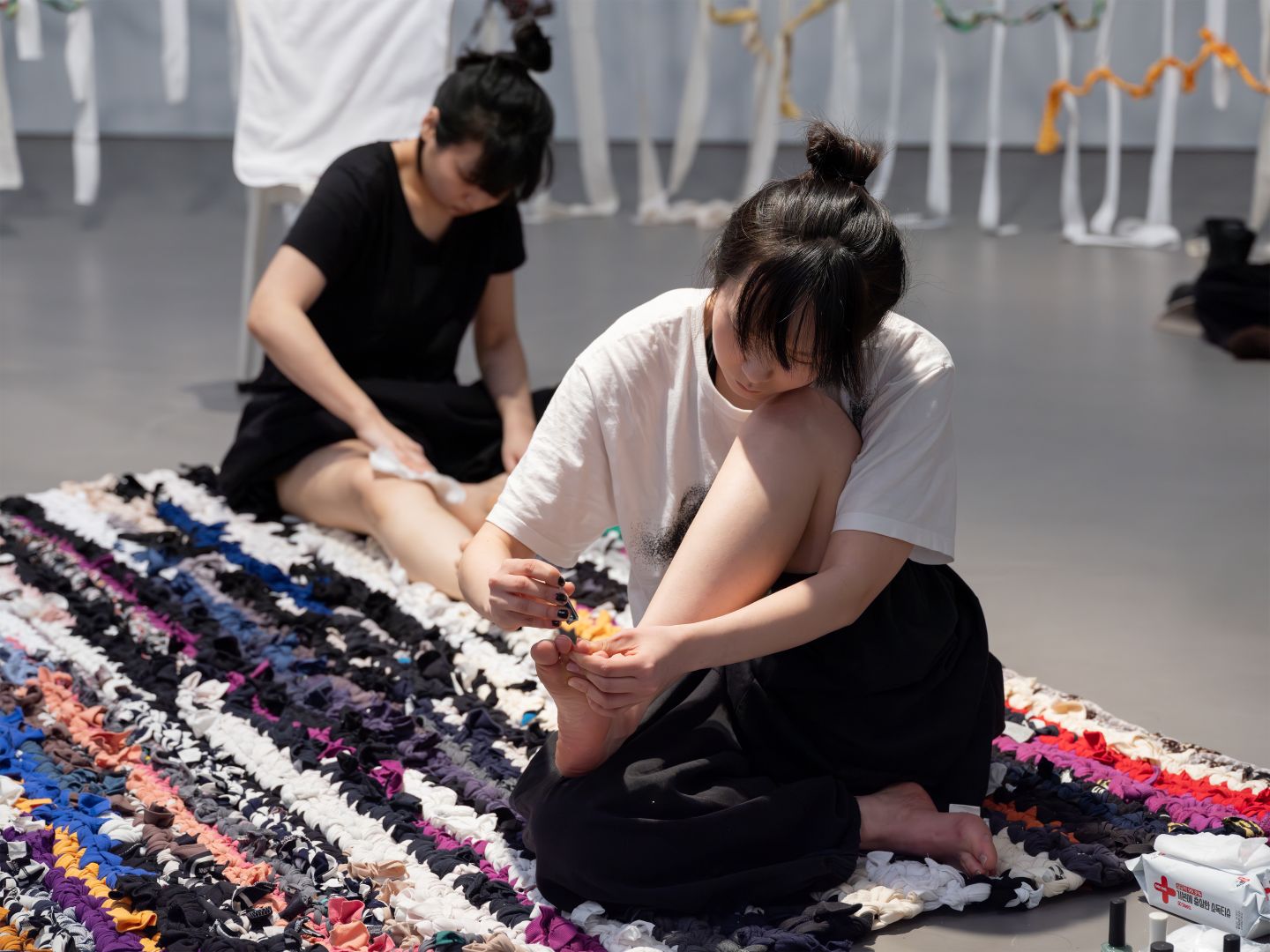 Marie Yoon(Seo Sohaeng, Song Yoona), THETWOOFUSMAKETHEUNIVERSE, documentation images, 2026, Photo by Soen Lee
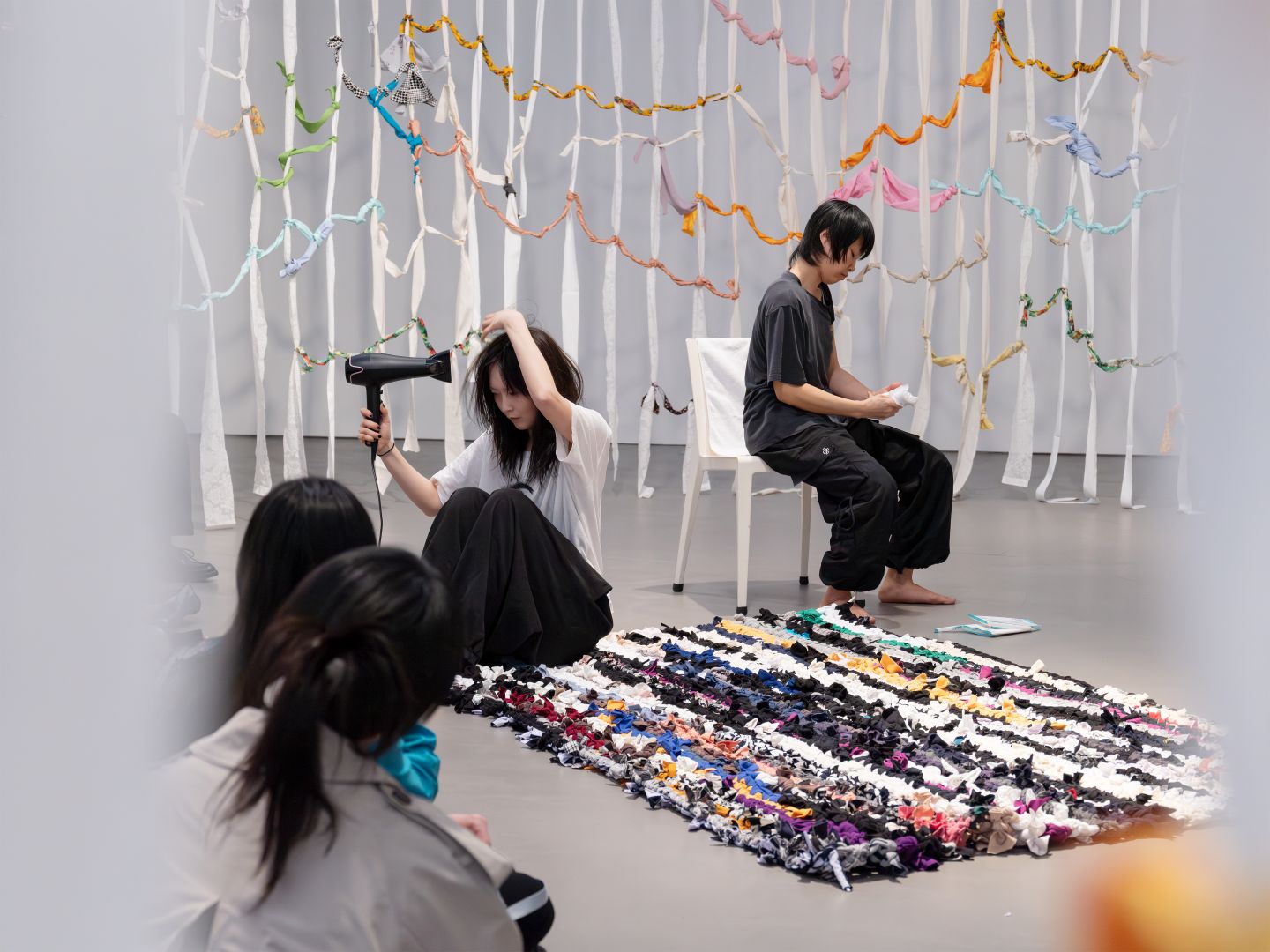 Marie Yoon(Seo Sohaeng, Song Yoona), THETWOOFUSMAKETHEUNIVERSE, documentation images, 2026, Photo by Soen Lee
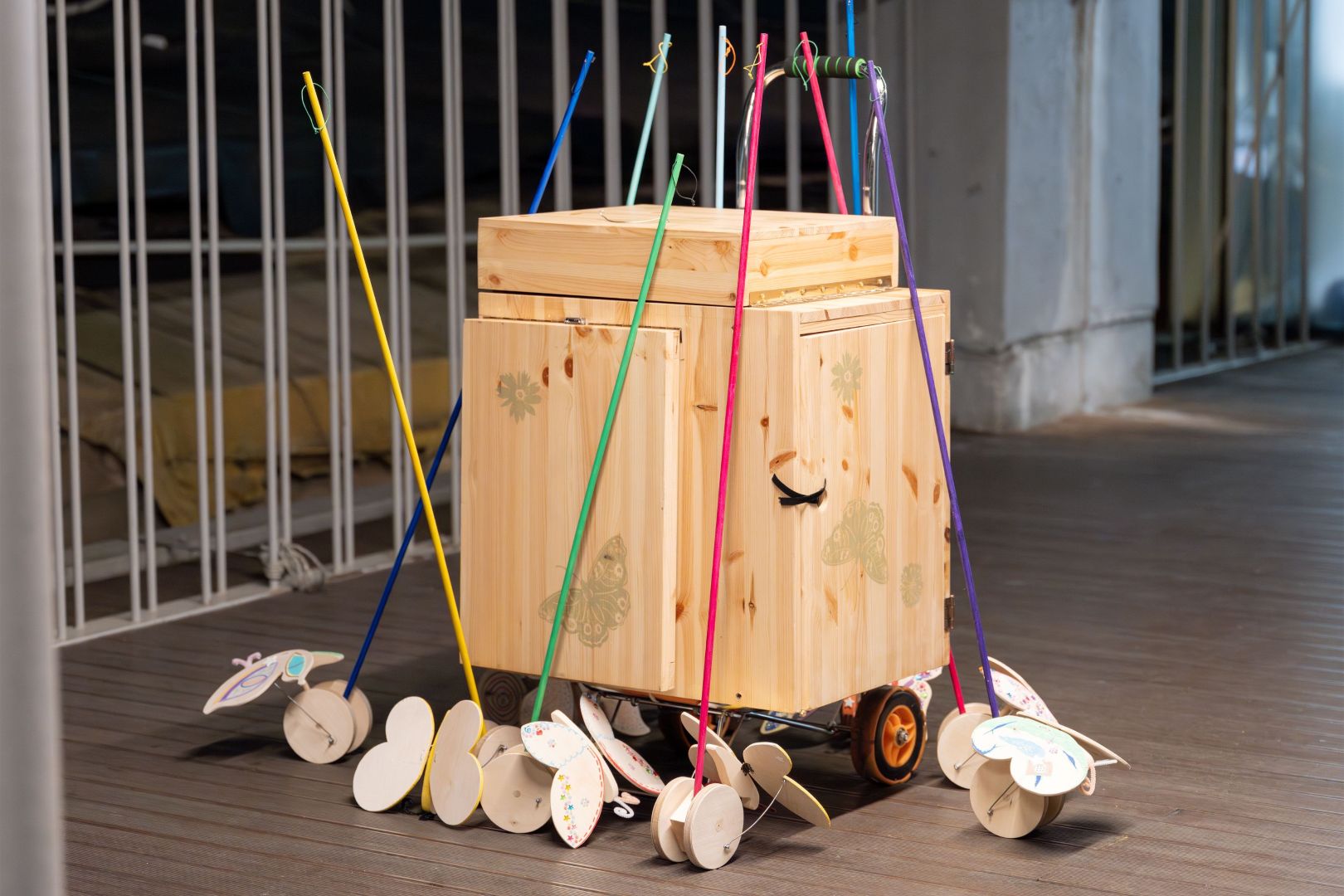
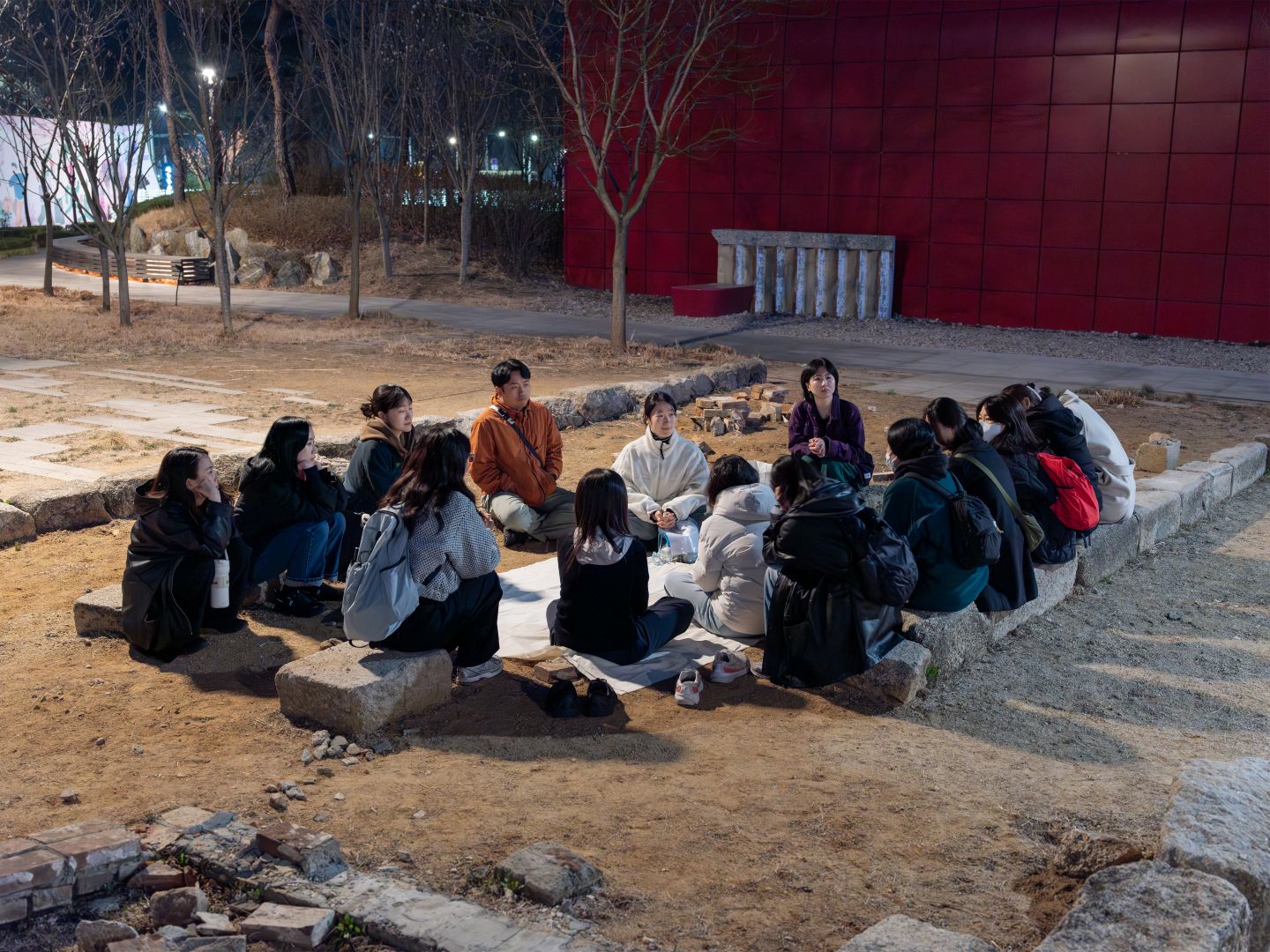 U Eun, Composing the Night, documentation images, 2026, Photo by Soen Lee
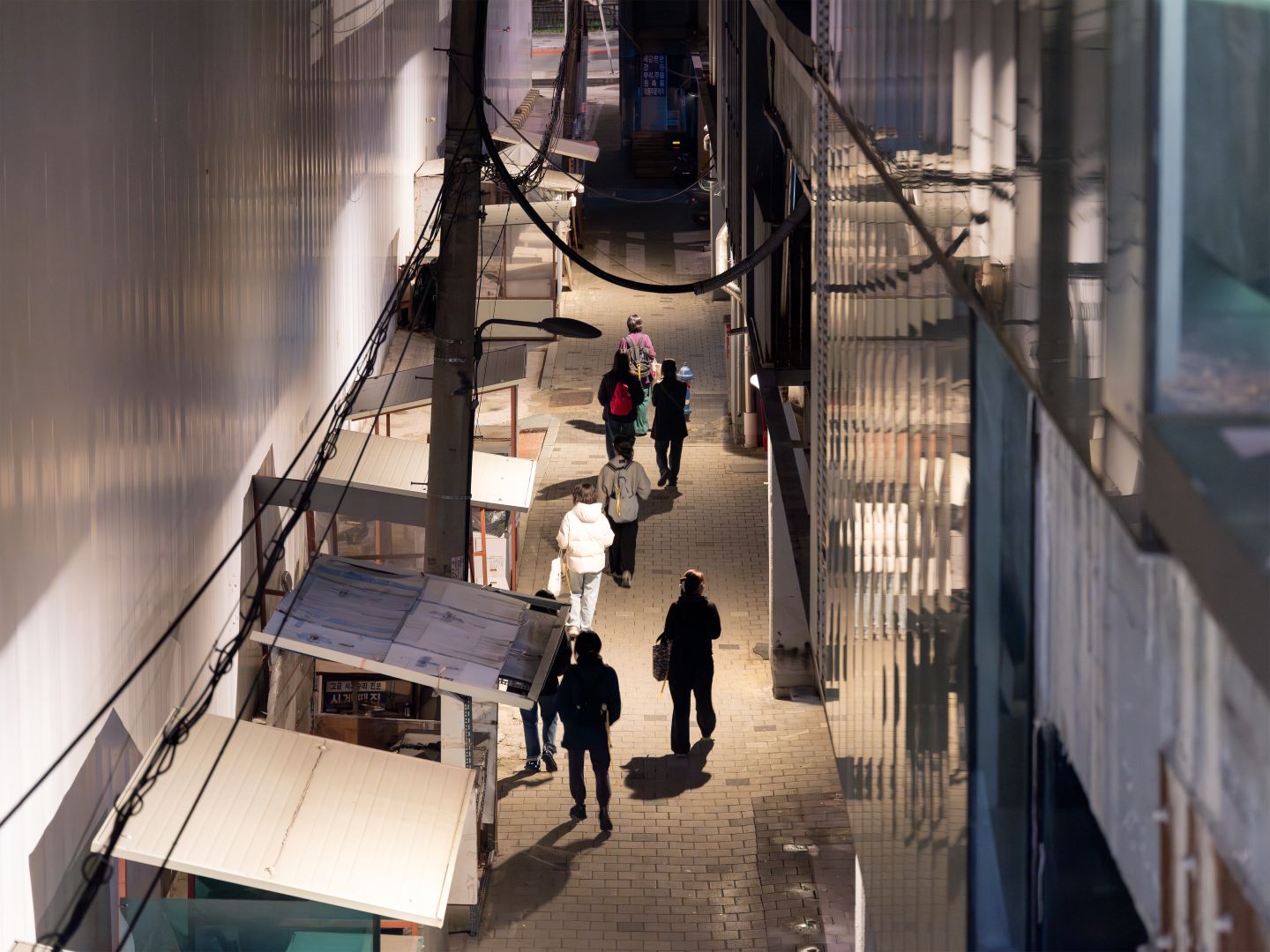 U Eun, Composing the Night, documentation images, 2026, Photo by Soen Lee
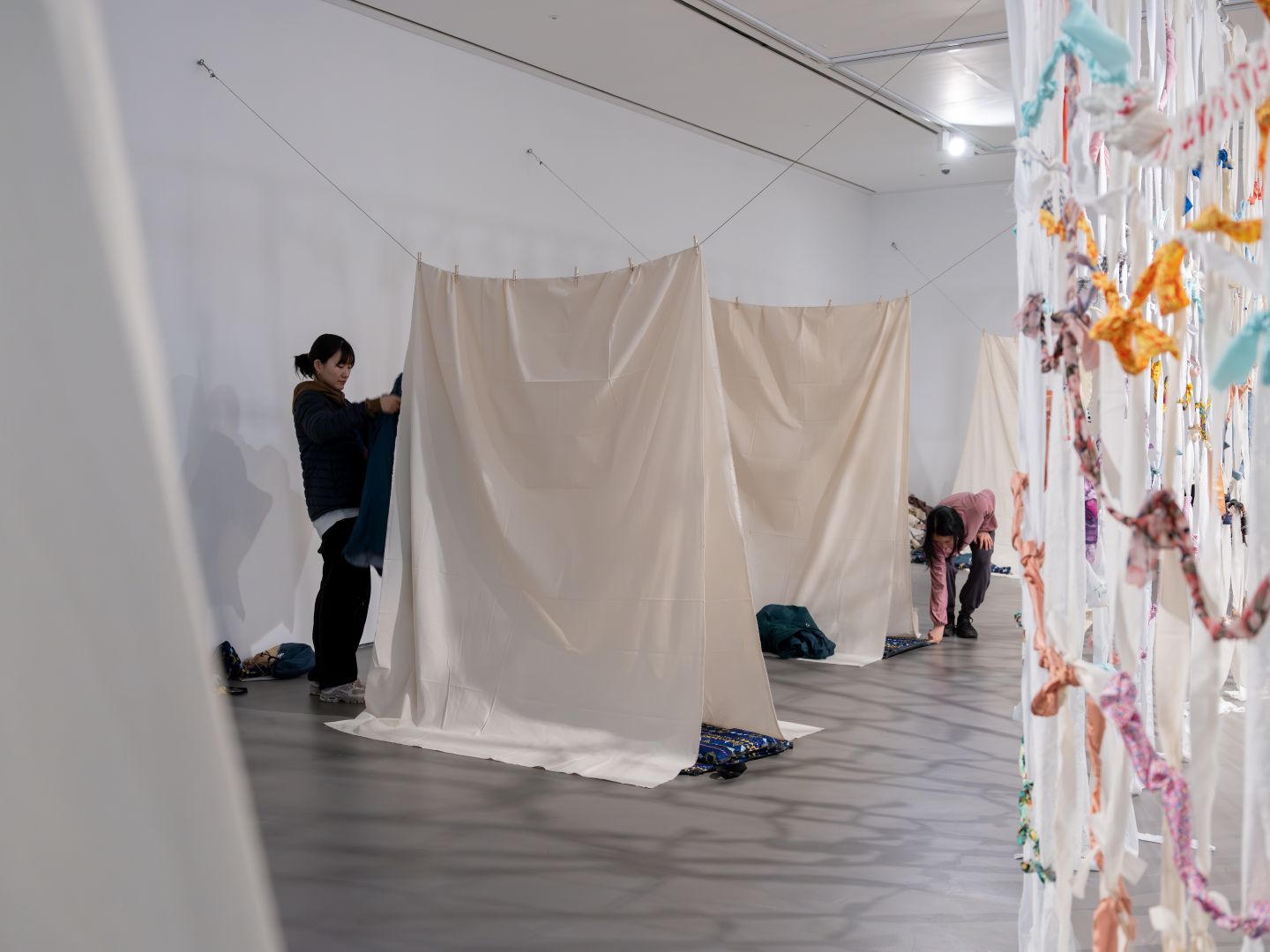 U Eun, Composing the Night, documentation images, 2026, Photo by Soen Lee
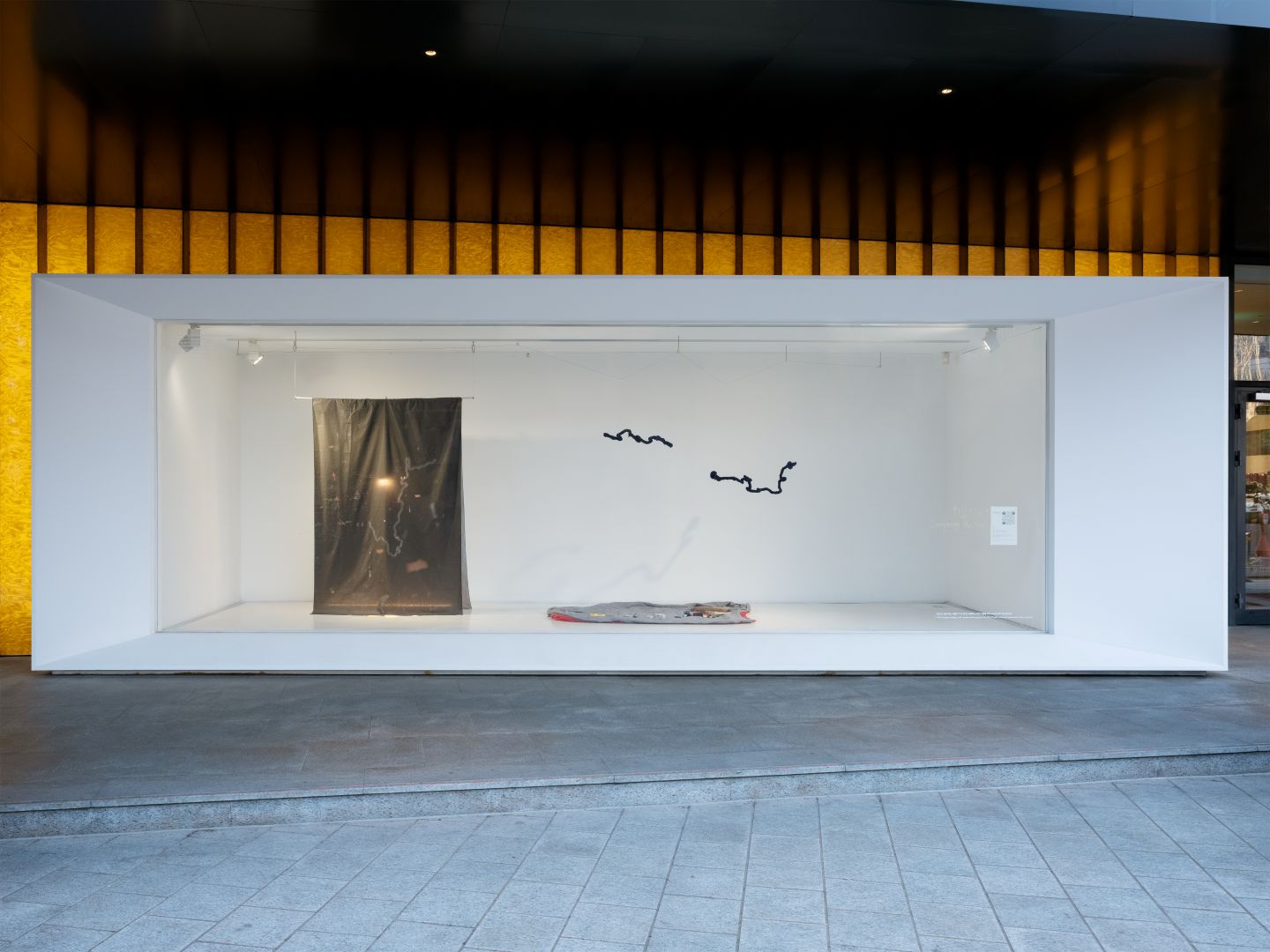 U Eun, Composing the Night, DCW 2025 Public: day(s) Window Gallery installation view, DOOSAN Art Center DOOSAN Gallery, Seoul, 2026, Photo by Soen Lee
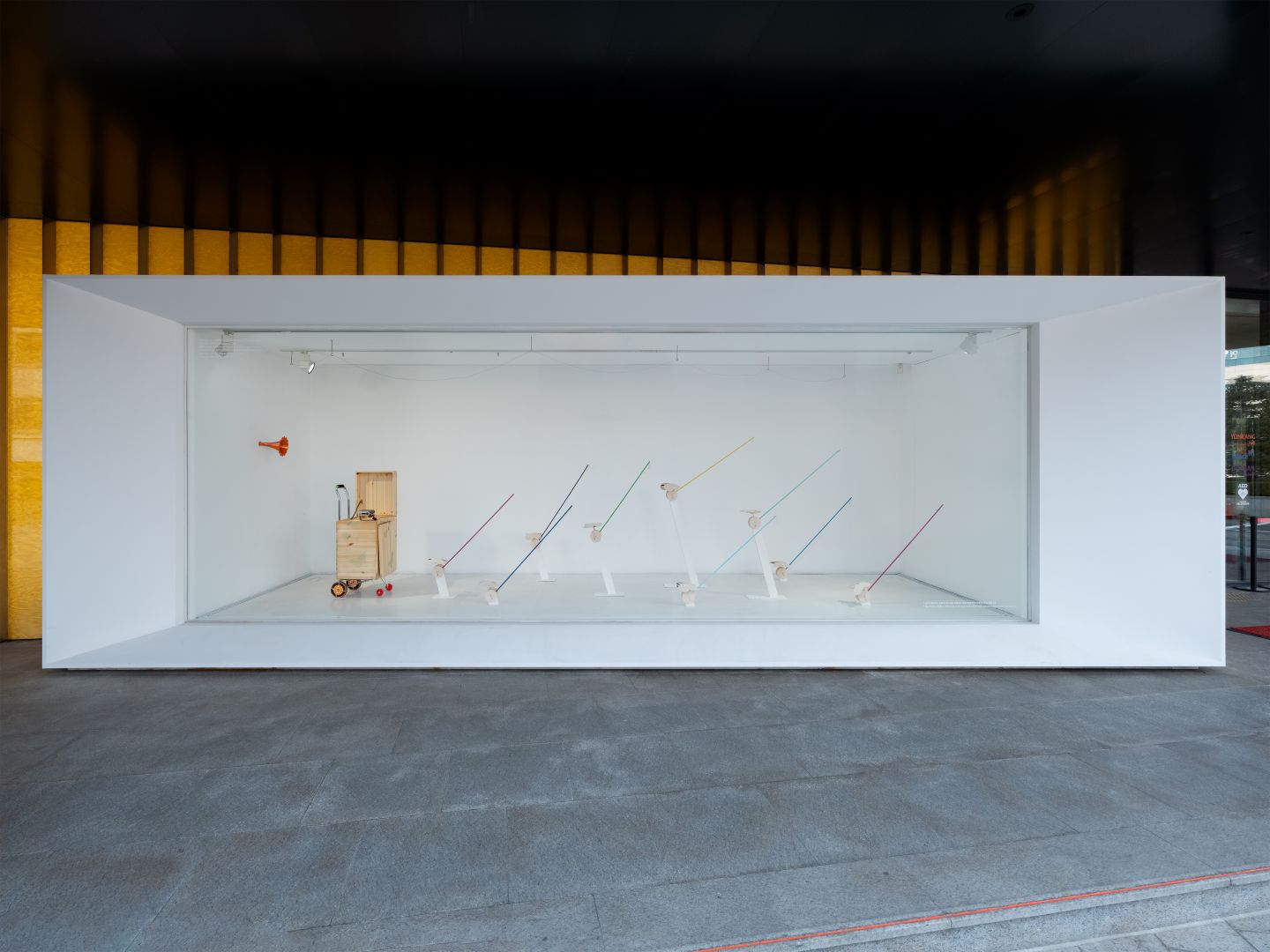 Joyul, Moving out, DCW 2025 Public: day(s) Window Gallery installation view, DOOSAN Art Center DOOSAN Gallery, Seoul, 2026, Photo by Soen Lee
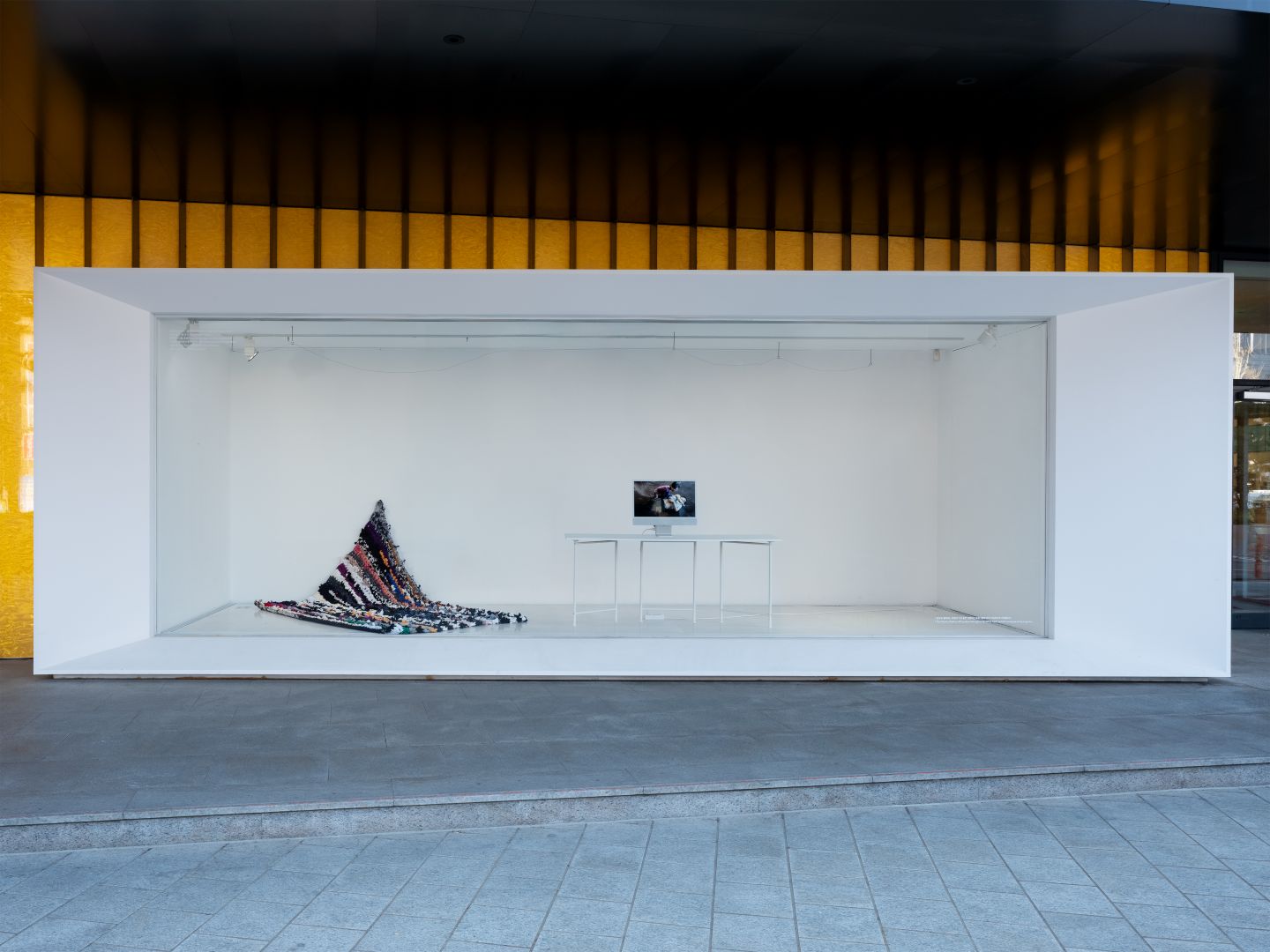 Marie Yoon(Seo Sohaeng, Song Yoona), THETWOOFUSMAKETHEUNIVERSE, DCW 2025 Public: day(s) Window Gallery installation view, DOOSAN Art Center DOOSAN Gallery, Seoul, 2026, Photo by Soen Lee
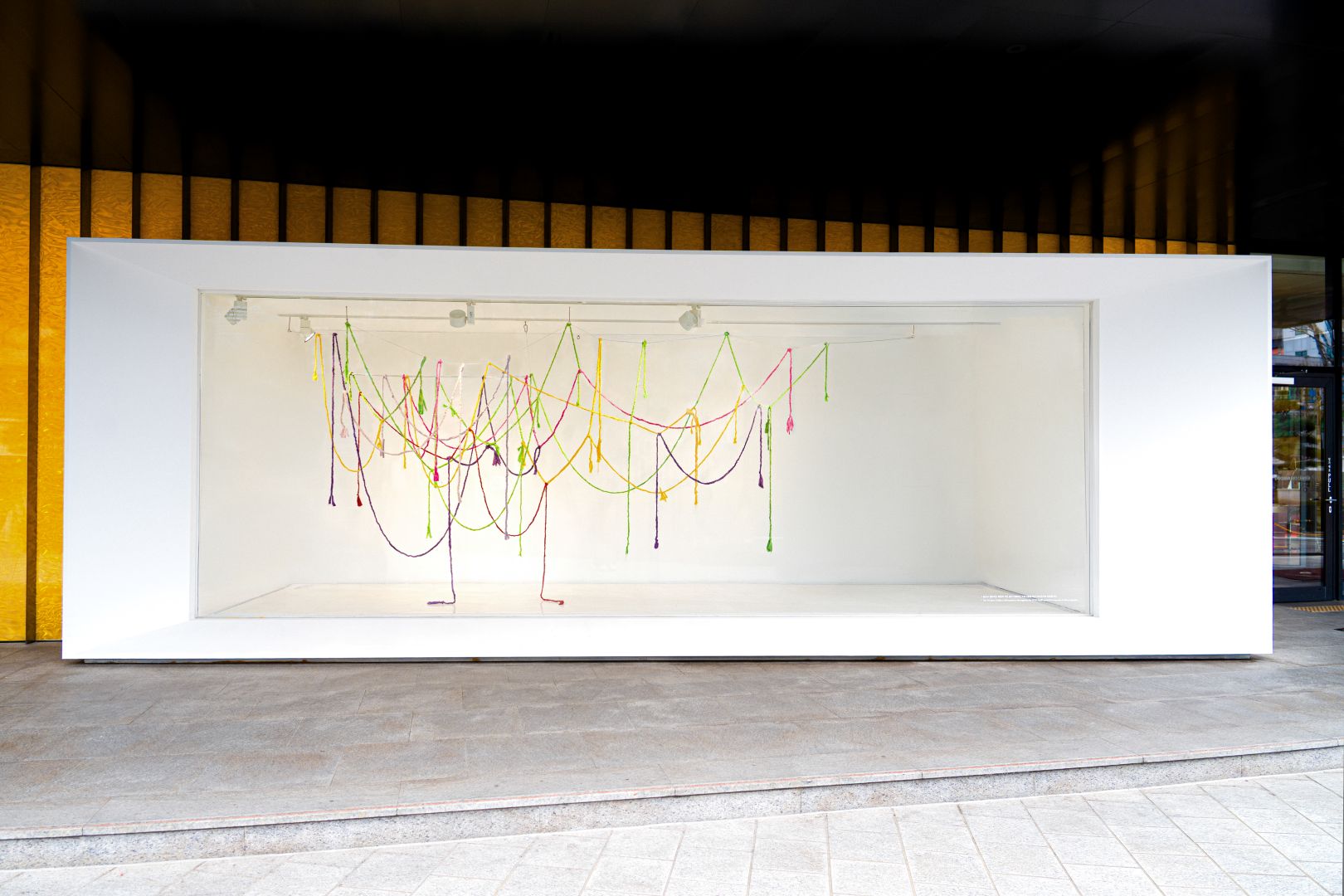 Isola Tong, Tying the Knots, DCW 2025 Public: day(s) Window Gallery installation view, DOOSAN Art Center DOOSAN Gallery, Seoul, 2026, Photo by Kangsun Lee
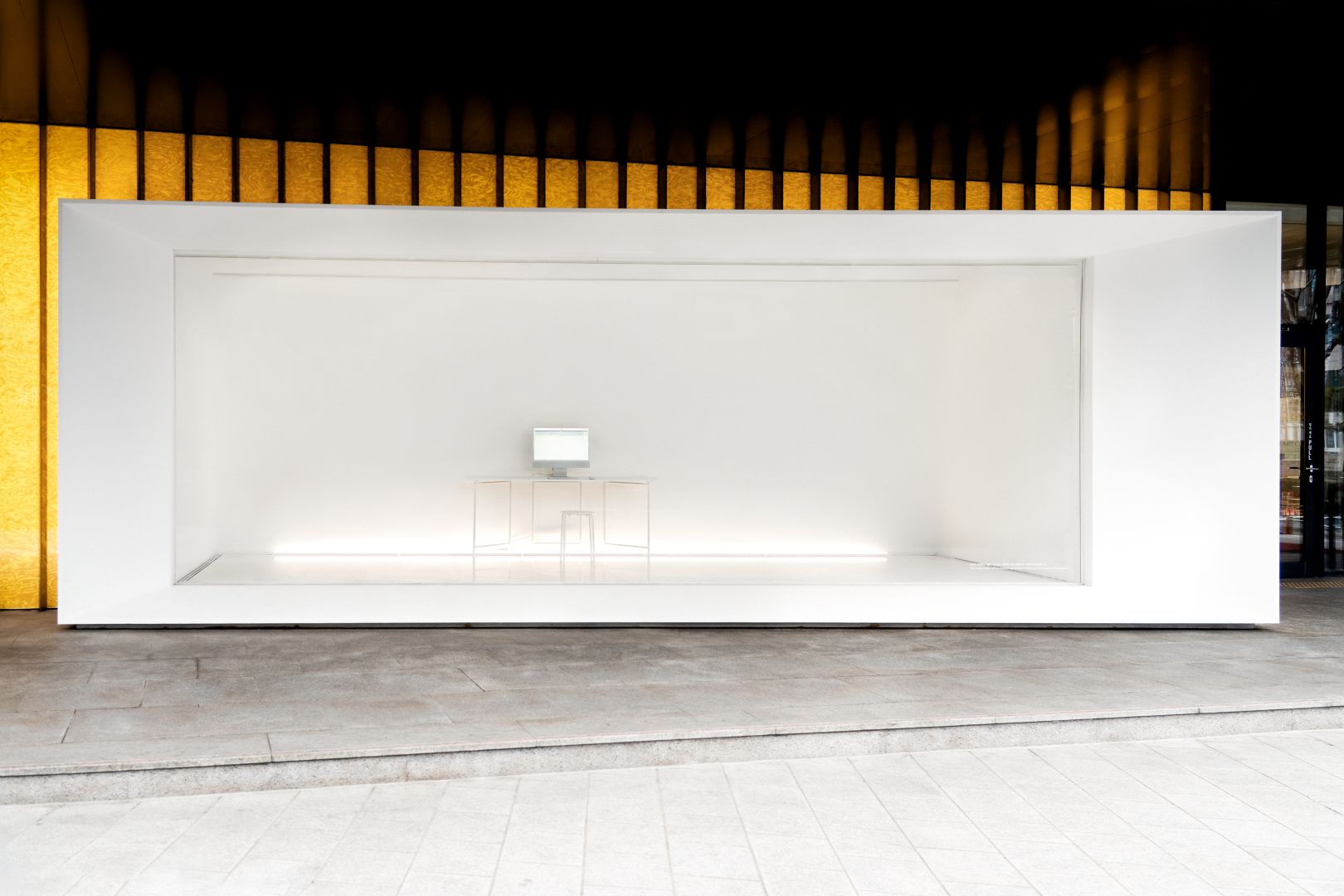 Dahm Ahn, Tag-Writing in Relay, DCW 2025 Public: day(s) Window Gallery installation view, DOOSAN Art Center DOOSAN Gallery, Seoul, 2026, Photo by Kangsun Lee
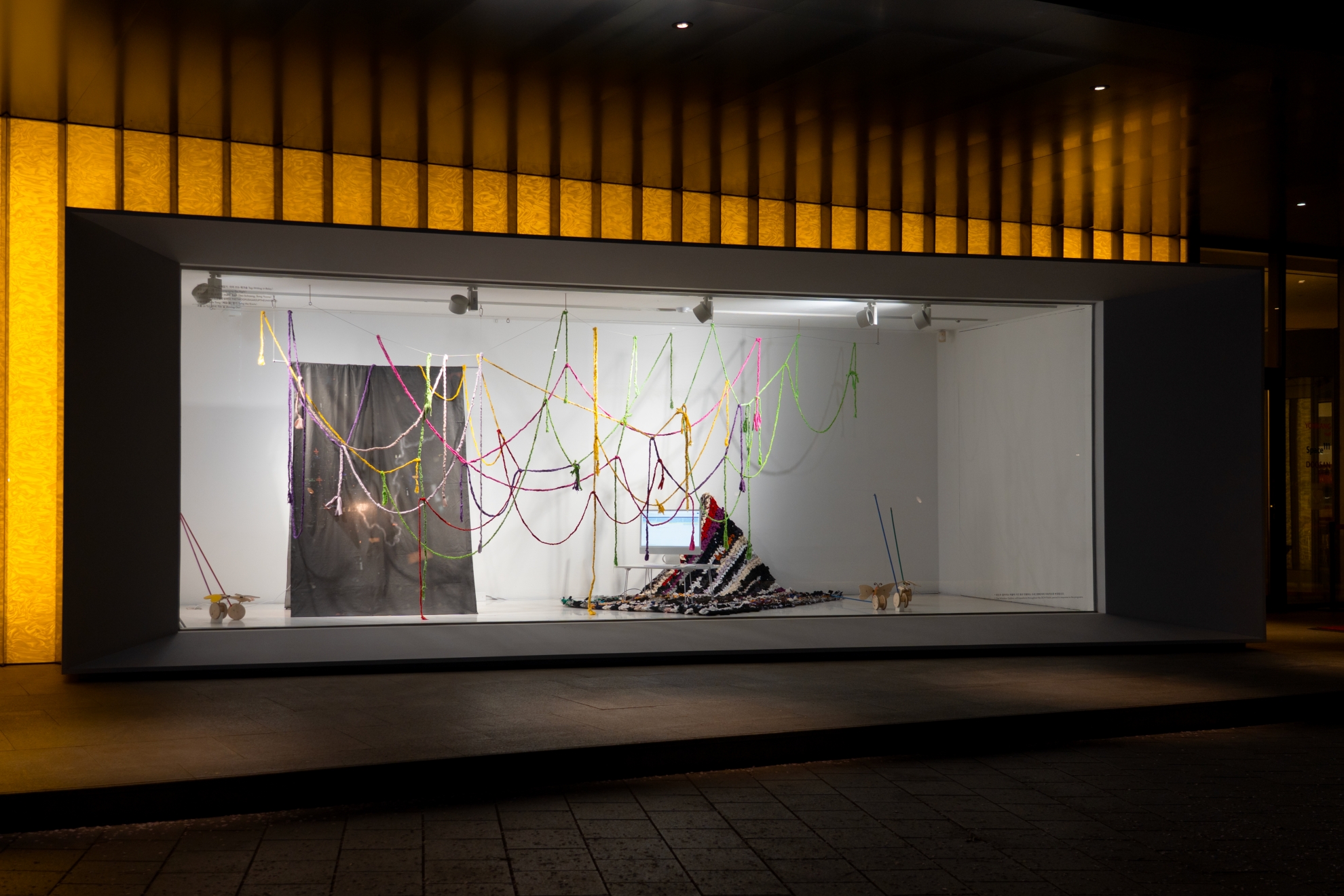 DCW 2025 Public: day(s) Window Gallery installation view, DOOSAN Art Center DOOSAN Gallery, Seoul, 2026, Photo by Kangsun Lee
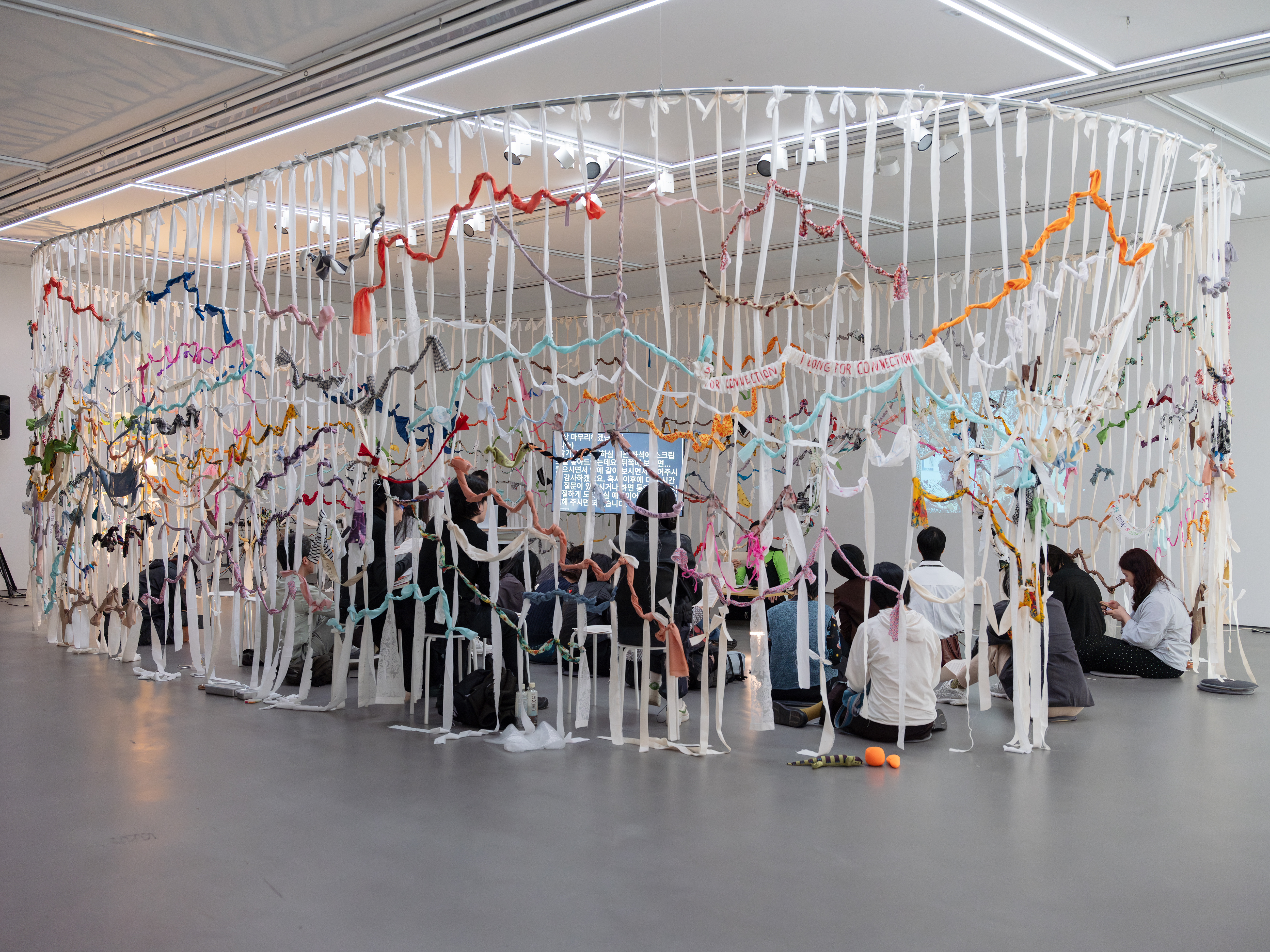 DCW 2025 Public: day(s) Gathering documentation, DOOSAN Art Center DOOSAN Gallery, Seoul, 2026, Photo by Soen Lee
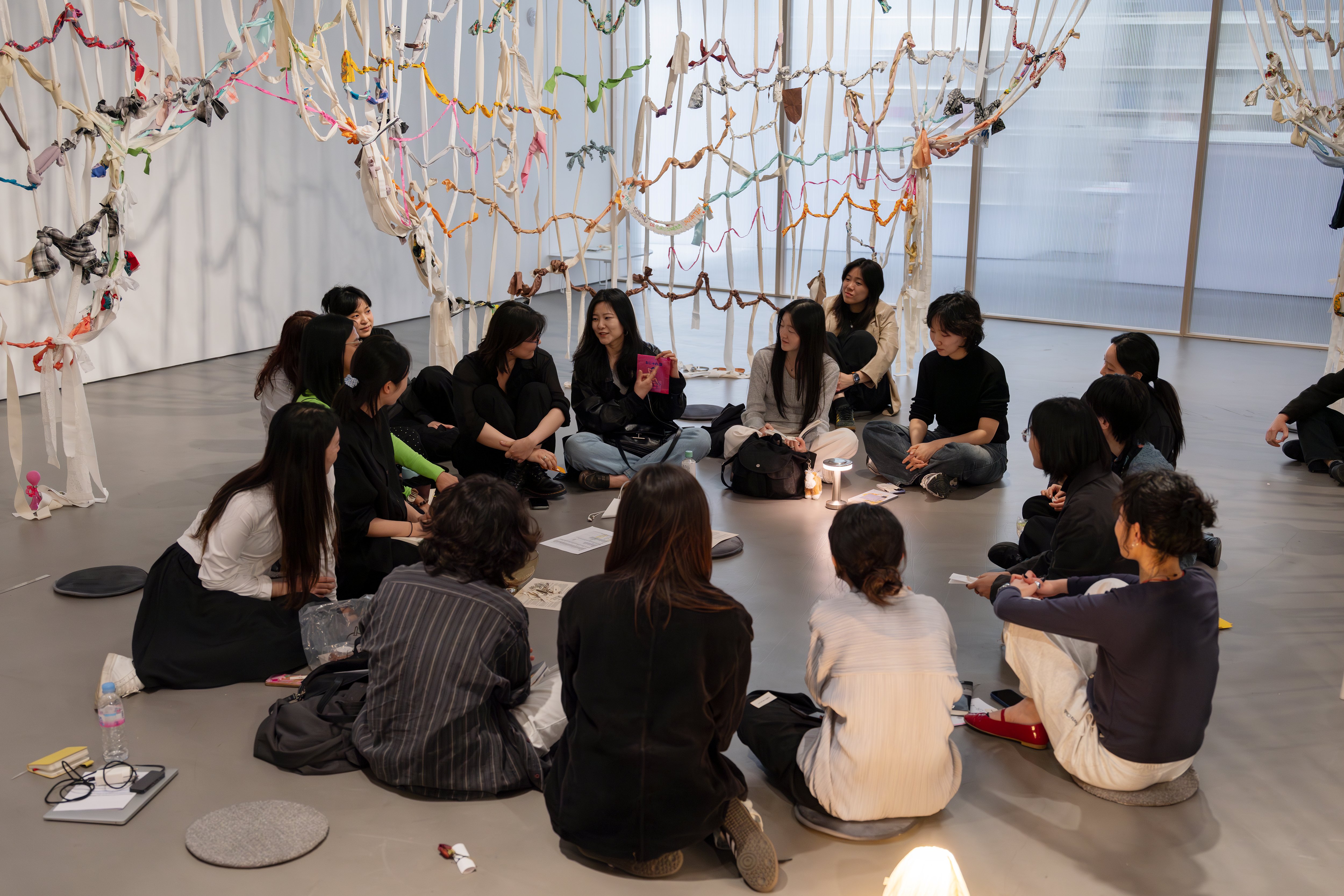 DCW 2025 Public: day(s) Gathering documentation, DOOSAN Art Center DOOSAN Gallery, Seoul, 2026, Photo by Soen Lee
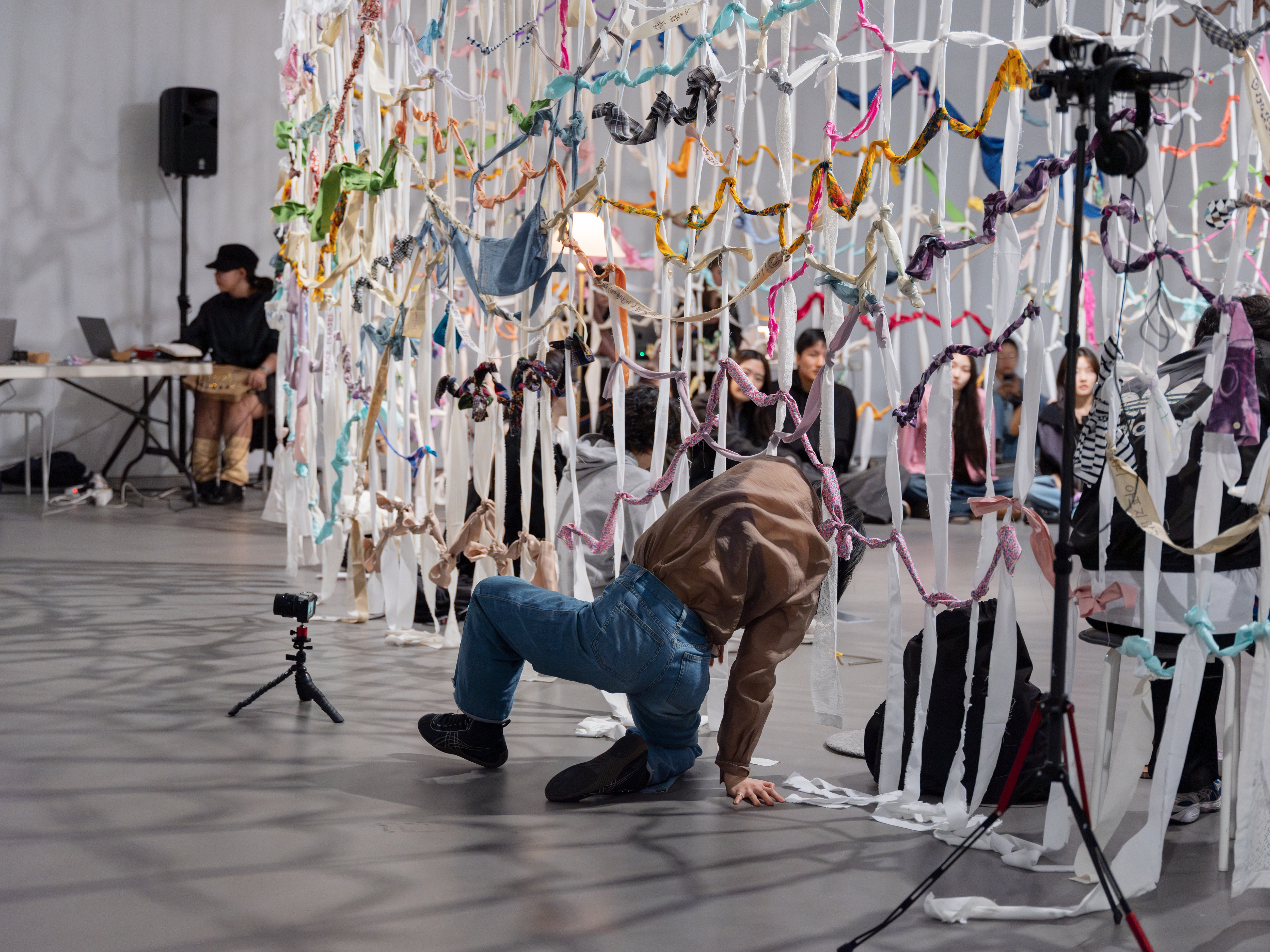 DCW 2025 Public: day(s) Gathering documentation, Performance: RE#SISTER KOREA, DOOSAN Art Center DOOSAN Gallery, Seoul, 2026, Photo by Soen Lee
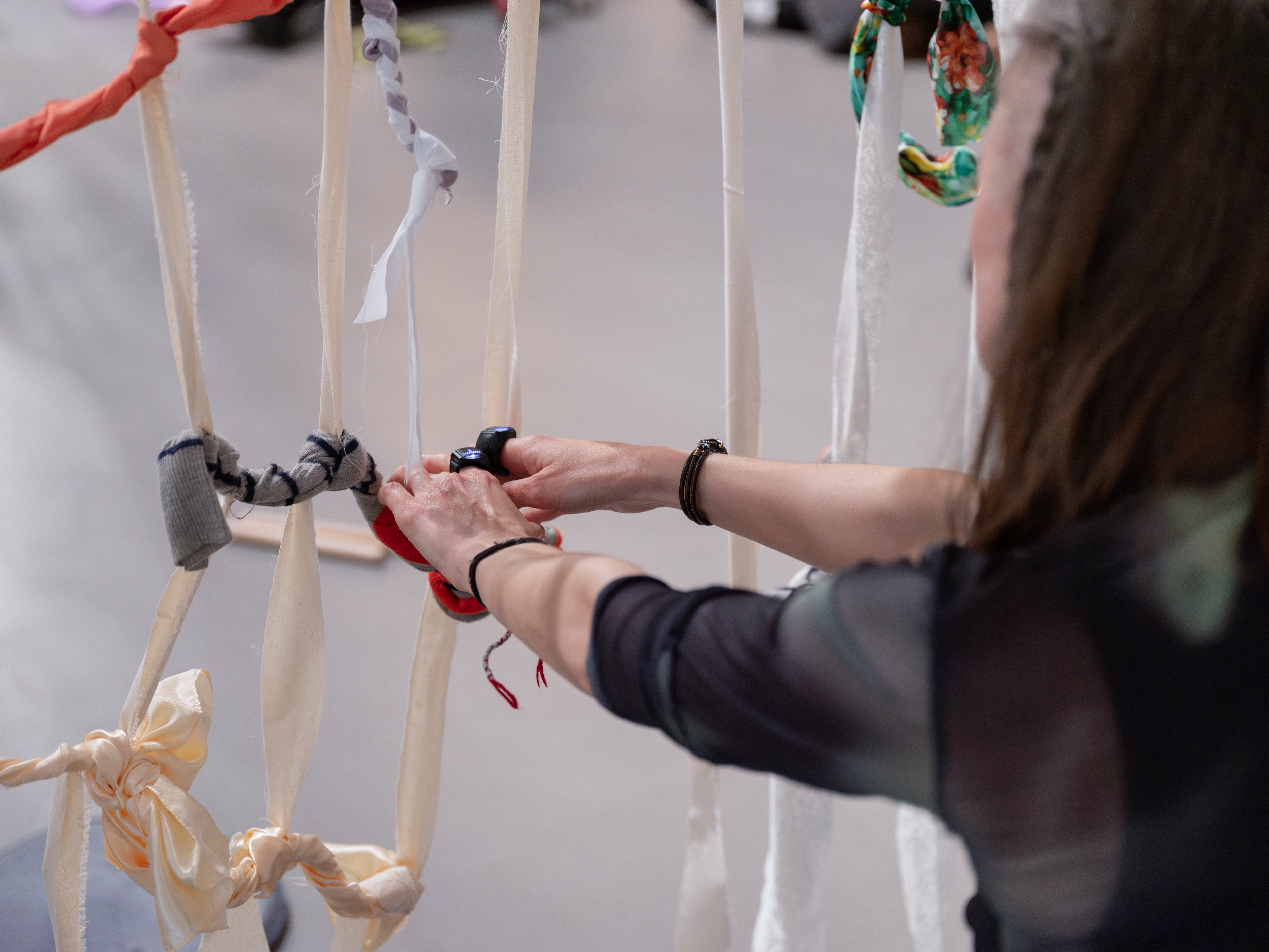 DCW 2025 Public: day(s) Gathering documentation, Performance: RE#SISTER KOREA, DOOSAN Art Center DOOSAN Gallery, Seoul, 2026, Photo by Soen Lee
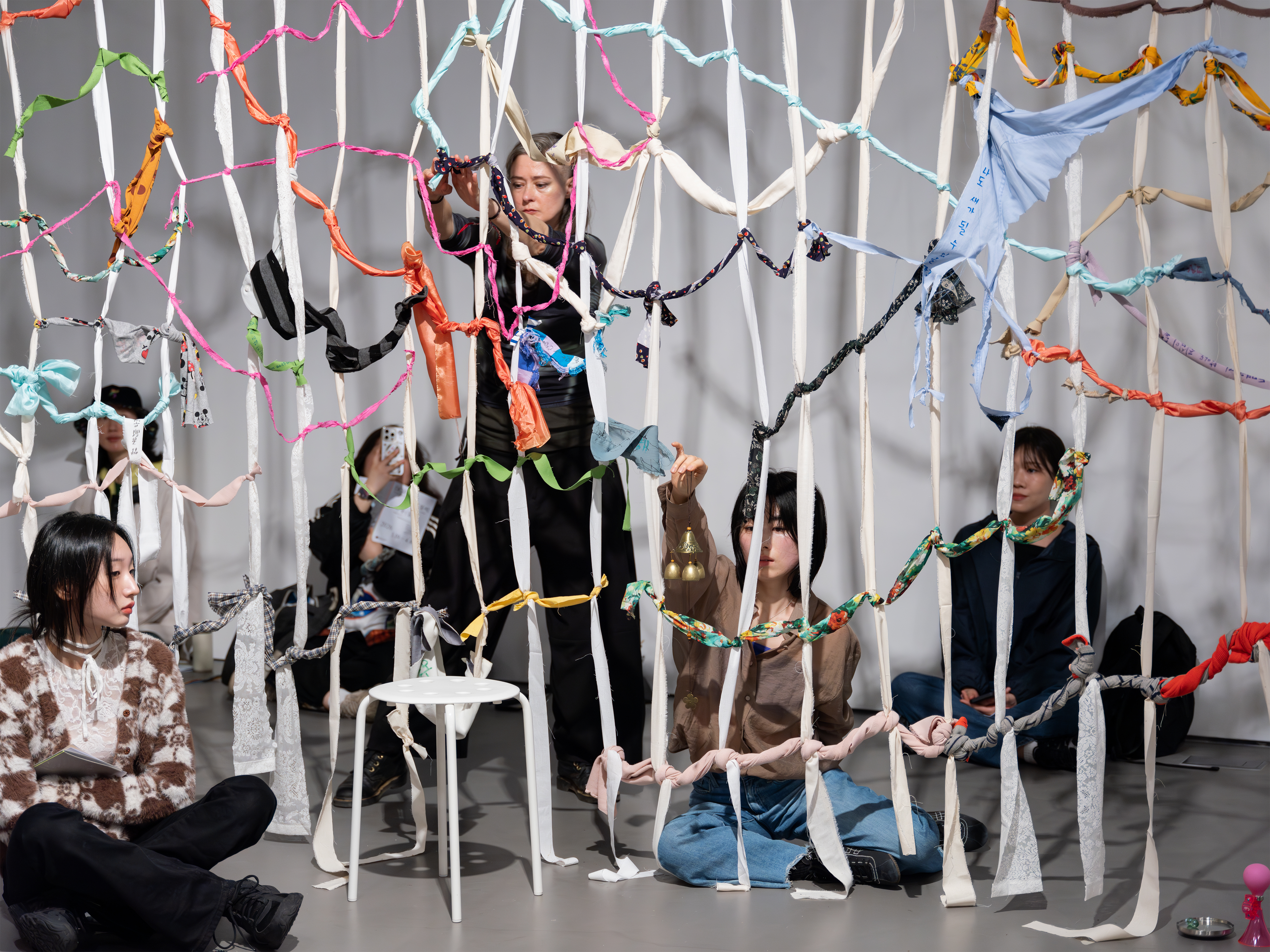 DCW 2025 Public: day(s) Gathering documentation, Performance: RE#SISTER KOREA, DOOSAN Art Center DOOSAN Gallery, Seoul, 2026, Photo by Soen Lee
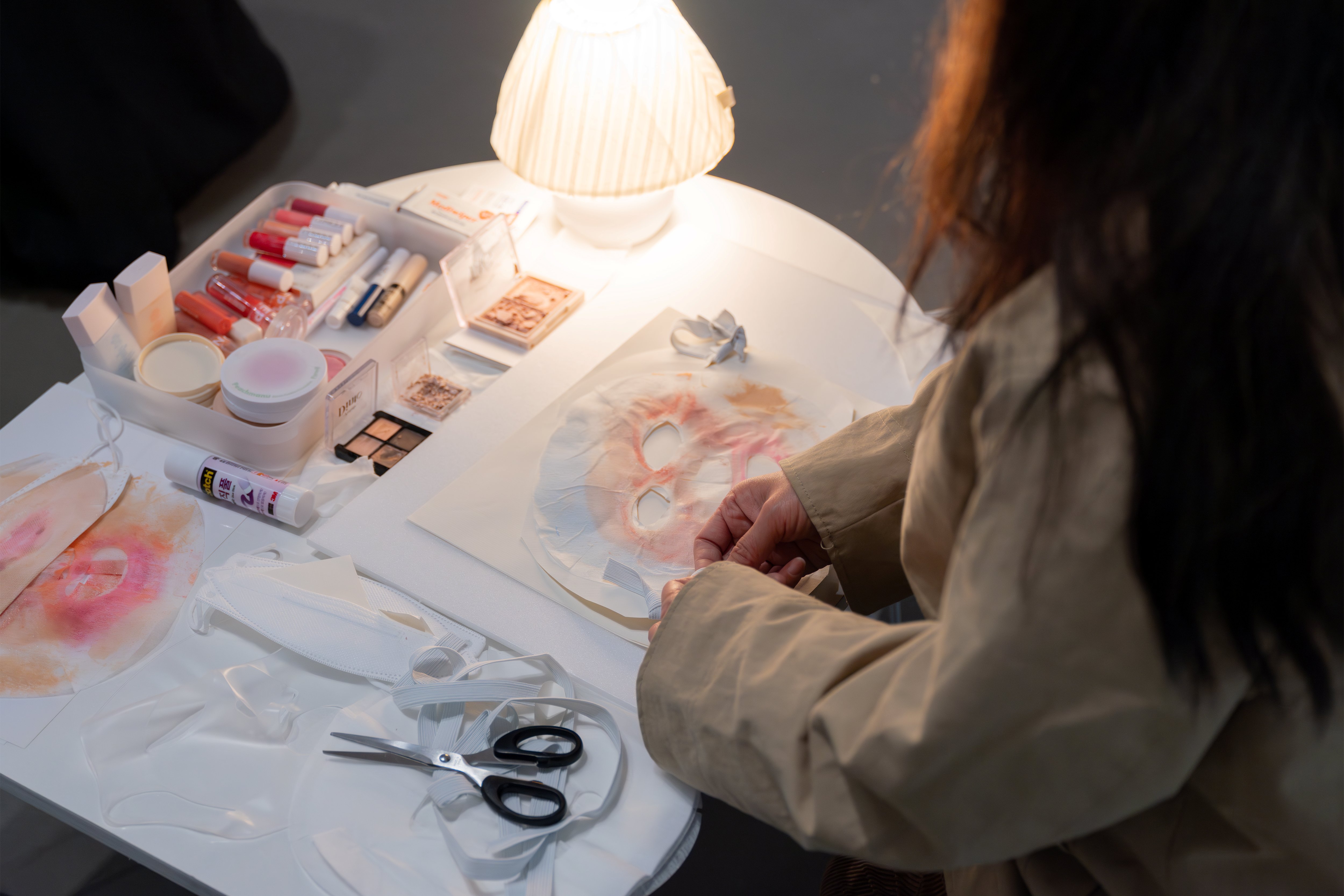 DCW 2025 Public: day(s) Gathering documentation, Performance: RE#SISTER KOREA, DOOSAN Art Center DOOSAN Gallery, Seoul, 2026, Photo by Soen Lee
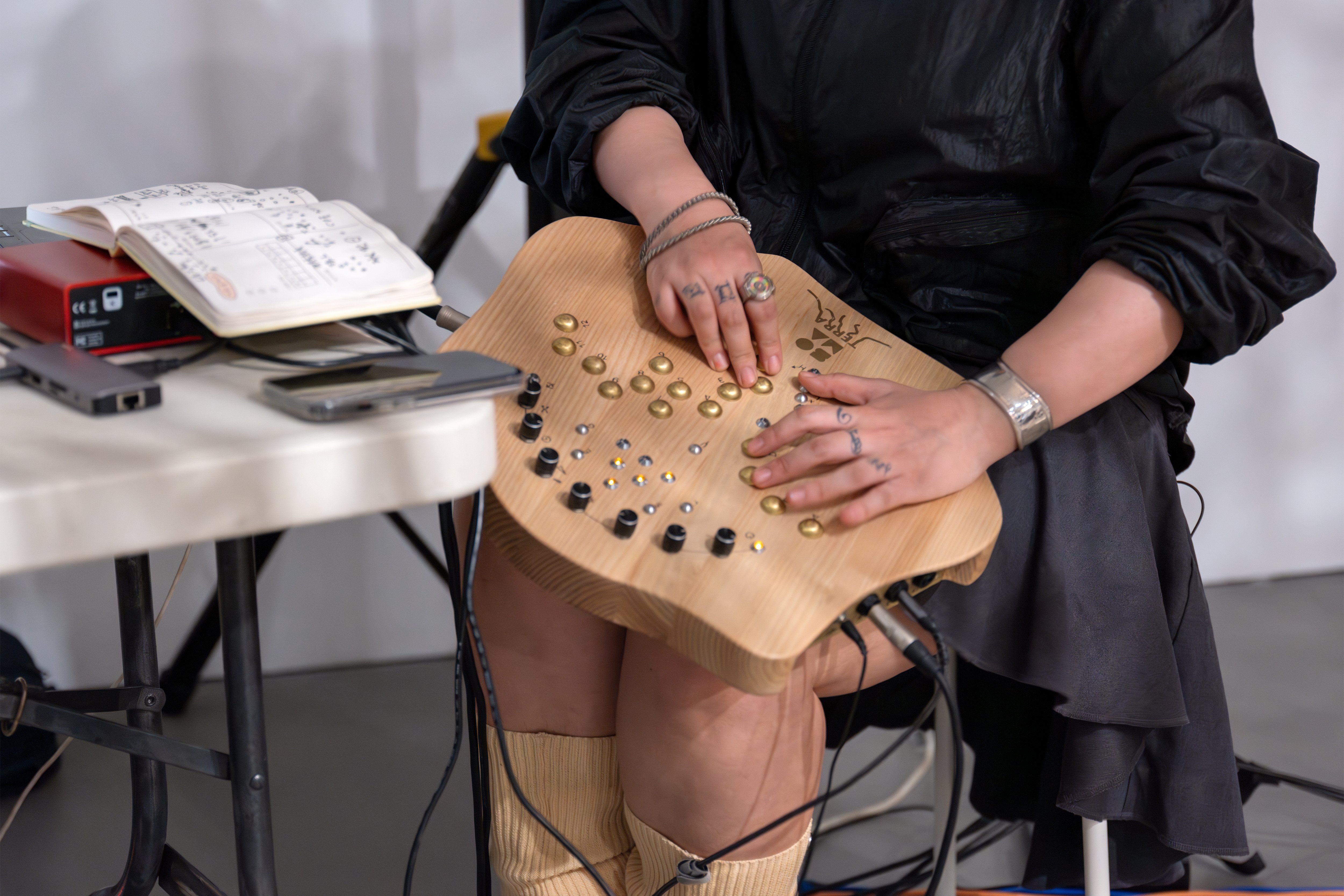 DCW 2025 Public: day(s) Gathering documentation, Performance: RE#SISTER KOREA, DOOSAN Art Center DOOSAN Gallery, Seoul, 2026, Photo by Soen Lee

In a hyper-individualized society, what is it that still ties us together? When we are too consumed by our daily grinds to look around us, is it considered archaic to speak of simple decencies we owe one another, like “duty” or “humanity”? It is the act of cradling a flickering ember to keep it from fading, passing that warmth and light to the next person while also entrusting them with the duty of protecting it. Relationships built on mutual dependence are far from ideal. They are, in fact, viscous, uncomfortable, and arduous. Yet within that very friction lie love, care, and resistance—the forces that sustain our existence. We surrender ourselves to one another and become entangled in each other’s lives. How does offering one another our presence, setting aside time, and finally taking each other’s hand intersect with “art”? DCW 2025 Public: day(s) experiments with art that is deeply connected to life built by sharing our remains and joining our hearts.
In truth, such an endeavor is destined for failure. Because its efficiency is dubious and its necessity often elusive, art frequently takes on an unstable form. Yet, to apply the brakes to a life dictated by systemic pace and logic—to allow an opening for the rhythm of art to permeate—is perhaps the smallest act of defiance we can offer in the face of that failure. Only then does art take on a tangible form, revealing that it can, and indeed must, walk alongside our daily lives. day(s) is an intervention where spare emotions and moments converge within the unfolding routine of our individual lives.
The abstract concepts of “life” and “art” begin to take concrete shape through the grounded questions of individual participants in Dahm Ahn’sTag-Writing in Relay. Following the workshop’s rule, which demands honest replies over polite ones, each participant must step into the role of “it” at least once during the four-week “game” to answer the preceding question and leave another question in turn. This chain of questions and answers moves freely without a fixed compass, guiding participants to places they could never have reached alone. Even if they end up at entirely different destinations, the togetherness formed through sharing the journey becomes a temporary community. A sentence ending in a question mark possesses a certain power that compels a response. It is an act of inviting another person into one’s own language and life, allowing one to understand each other’s needs and respect through mutual dependence.
This structure of sequential response mirrors Marie Yoon’s performance, THETWOOFUSMAKEUPTHEUNIVERSE. The artist Marie Yoon and performers Seo Sohaeng and Song Yoona repeatedly cycle through everyday acts such as clipping their nails, washing their bodies, and drying their hair. The structure of the performance and these gestures of care are rooted in the artist's personal day(s). These typically occur within private spheres, but the mechanism that elevates these intimate acts to the level of performance is the "witness." In their research, the three performers alternated between participating in the care and acting as a non-participating witness—a role the audience eventually joins in performance. Through this external gaze, private acts of care gain the weight of public discourse, offering 'affects' from the intimate relationship. Furthermore, the accompanying workshop allows participants to perform one of the three actions themselves, sensing how the body that offers the action and the body that receives it temporarily merge into a doubled-body.
Bringing one’s personal circumstances into the public sphere is an act of courage and a declaration that “my problem is not mine alone.” Jo Yul’s Moving Out summons the image of a city that “displaces” its residents, along with the systems through which it operates. In a city where finding a permanent dwelling is a struggle, people periodically discard old belongings and pack up what is necessary to move. It is a day when the sheer labor required to maintain a life is laid bare. Strangely enough, art hangs onto the very edge of that precarious existence. It is the thing we barely manage to keep—the thing we cannot bring ourselves to throw away “despite everything,” tucked tightly into a corner of a moving box. It is the act of creation for the artist, a beloved stuffed toy for another, and an old feeling long folded away for someone else. Jo Yul collects these “despite everything” burdens in the form of photos and videos, screening them across the city streets. These individual burdens merge into a collective body that settles over the nighttime city. From construction barriers at redevelopment sites, the shutters of closed shops, empty lots under bridges, and even stray stones, the night, loosened from the strict order of daytime, allows these surfaces to be temporarily occupied. It becomes a march and a rallying cry, a testament that things outside the system exist, and that by projecting them, we are standing in support of one another.
Meanwhile, U Eun’s Composing the Night focuses on the experience of passing through the darkness together. The city takes on a vastly different appearance under the cover of night, and workshop participants walk through Seoul, connecting familiar sights into a new mosaic of landscapes. Passing through sites like the Sejong Hotel, the Site of Memory, and Sewoon District 4, they sense with their own bodies the city’s dense past, its entangled present, and the future lying just ahead. By relying on silent glances and the presence of those walking ahead, participants quiet the anxiety of the dark and respond to the unfamiliar sensations, sounds, and landscapes the night brings forth. As different walking speeds intersect and companions shift, a silent bond weaves the moment together, and we find ourselves becoming honest. We grope through the indescribable tremors felt in each space, listen to the sounds of the night echoing from the “echo stone,” and empathize with the words of our fellow travelers. This is how we compose the night together. The night makes us vulnerable. And as we quietly comfort each other in that vulnerability, morning greets us once again. Walking through the darkness of the city where our day(s) persist, we open up a margin—a space to ask after one another.
How can knots tie the ends together? In a state of trans, Isola Tong presents art that persists alongside the community through the repeated act of “knot-weaving.” For her, weaving knots is an act of tactile contact—a mediatory practice used to remember and reconnect with what has been lost. Her installations, taking the form of baskets and nets created through close collaboration with local and queer-trans communities, weave together themes of care, ecological justice, and intimacy. By weaving multiple strands of fabric into knots, fragile individual materials combine to create a resilient form, representing the interdependence of a community. In her participatory work Tying the Knots, the artist experiments with the power of the heart—much like spiral muscles enveloping one another to pump blood—to gather, connect, and entwine. Following a set of instructions, participants cut strips of fabric from clothes once worn by the artist's friends or scraps of cloth, write their own wishes or thoughts upon them, and tie them to the loose ends of pre-tied knots, transforming points into lines and lines into a connected web. Responding to the conditions and limits of the space, these structures grow and transform like living organisms nourished by the heart, becoming a collective architecture built by a community temporarily brought together through the medium of art. Within these encounters—which are never seamless—and within our relationships where differing desires and frictions coexist, we hope that a kind of shelter, a knotted strength, will emerge.
Events happen every day. These events are unfinished projects and chance encounters fueled by the surplus of our goodwill, participation, and curiosity. At the same time, “events” happen every day in the ordinary sense.* These day(s) are precious not merely because they are a limited 24 hours, but because of the people who make them meaningful and remind us that life and art are inseparable. At the “Gathering” held on April 4th, the final day of DCW 2025 Public, we aim to bring the latent solidarity within the loose spaces between us to the surface. We hope that solidarity can continue like an endless knot (Isola Tong); that the cycle of questions and answers can persist like a game of tag (Dahm Ahn); that we can trust one another even through the fearful night (U Eun); that we can care for each other (Marie Yoon (Seo Sohaeng, Song Yoona)); and that the lives we carry “despite everything” will never be treated as trivial (Jo Yul).
We invite you to join us on this path with your own art.
* This project was conceived upon the memories of the December 3rd Martial Law and the subsequent street protests. It took shape as we bore witness to the massacres leading up to the October 2025 Israel-Hamas ceasefire. These words themselves were written amidst the recurring “event(s)” of the March 2026 bombings in Iran. One cannot help but contemplate how many vastly different, lived realities are unfolding beneath the surface of that single word.
All programs operate by reservation only. Please register via the link.
❶ Dahm Ahn, Tag-Writing in Relay
❷ U Eun, Composing the Night
❸ Marie Yoon (Seo Sohaeng, Song Yoona), THETWOOFUSMAKEUPTHEUNIVERSE
❹ Isola Tong, Tying the Knots
❺ Jo Yul, Moving out - Submit a Work for Screening
Jo Yul, Moving out - Sign up for the Screening